


Art: A Visual History by Robert Cumming

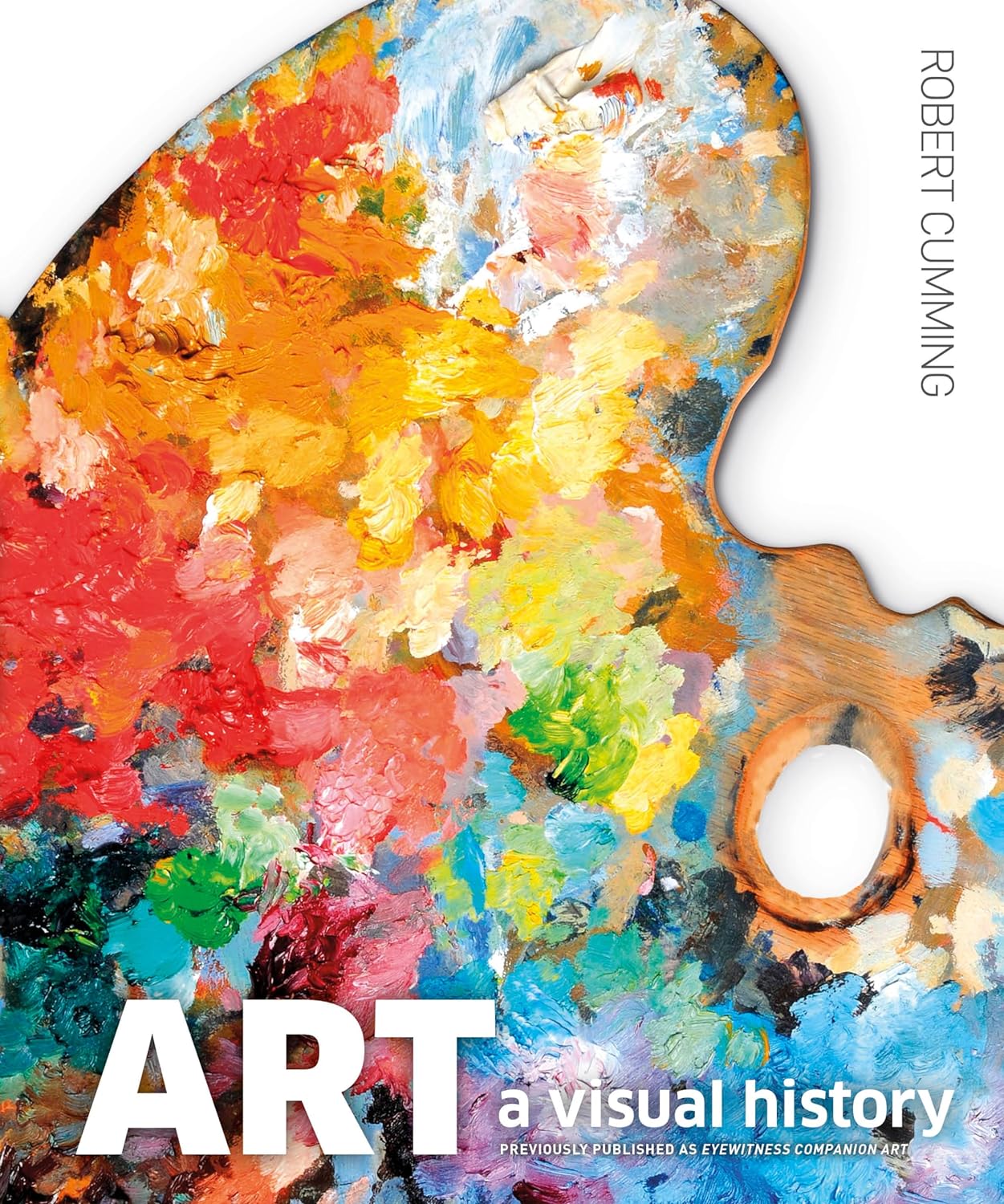
Art: A Visual History

‘Art: A Visual History’ is a knowledgeable, thought-provoking, and accessible tour of the creators of Western art.

How to tell Impressionism from Expressionism, a Degas from a Monet, early Medieval art from early Christian? Art: A Visual History explains it all &; painting, sculpture, great artists, styles, and schools; and will help you answer the question, “What makes great art?”

Art: A Visual History includes:

  • More than 650 artists and all the major schools and movements, all arranged chronologically.
  • Close-up focus on 22 masterpieces, from Ancient Greek sculpture to 1960s Pop Art.
  • Well-known icons along with lesser-known gems &; carefully chosen to illuminate the points made in the text.

Features on major schools and movements to explore and explain their stylistic trademarks, characteristics, and favored subjects.

Find out more about Art: A Visual History by Robert Cumming →

How Design Makes Us Think: And Feel and Do Things by Sean Adams

Design is everywhere. It’s visceral. It’s intellectual. It’s emotional. While we often discuss the aesthetics of design, we don’t always dig deeper into the ways design can overtly, or covertly, influence how we feel and act.

In How Design Makes Us Think, AIGA award-winning graphic designer Sean Adams walks us through the power of design to attract attention and convey meaning. Through hundreds of examples across design principles, from graphic design to industrial design to architecture, Adams illustrates how design can inspire, provoke, amuse, anger, or reassure us, or subtly or consciously influence our thoughts and behavior.

The book also delves into the sociological, psychological, and historical reasons for our responses to design, offering practitioners and clients alike a new appreciation of their responsibility to create design with the best intentions. How Design Makes Us Think is an essential read for designers, educators, advertisers, psychology enthusiasts, marketing professionals, and anyone who wants to understand how the design around us makes us think, feel, and do things.

Find out more about How Design Makes Us Think: And Feel and Do Things by Sean Adams →

100 Things Every Designer Needs to Know About People by Susan Weinschenk

100 Things

Behavioral science leader and CEO at The Team W, Inc., Susan M. Weinschenk, provides a guide that every designer needs, combining real science and research with practical examples on everything from font size to online interactions. With this book you’ll design more intuitive and engaging apps, software, websites and products that match the way people think, decide and behave.

Here are some of the questions this book will answer:

  • What grabs and holds attention?
  • What makes memories stick?
  • What motivates people?
  • How does listening to music make people feel?
  • How do you engineer a decision?
  • What line length for text is best?
  • Are some fonts better than others?

We design to elicit responses from people. We want them to buy something, read more, or take action of some kind. Designing without understanding what makes people act the way they do is like exploring a new city without a map: results will be haphazard, confusing, and inefficient. Increase the effectiveness of your designs by using science-backed examples on human behavior.

Find out more about 100 Things Every Designer Needs to Know About People →

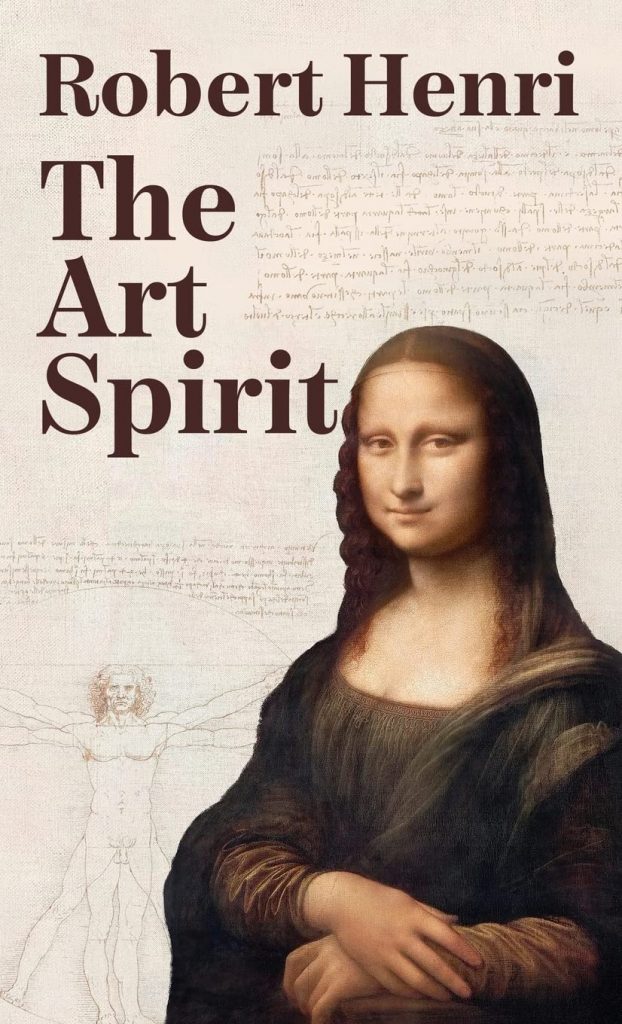
The Art Spirit by Robert Henri

The Art Spirit

Robert Henri, who painted in the Realist style and was a founding member of the Ashcan School, was known for his belief in interactive nature of creativity and inspiration, and the enduring power of art. Since its first publication in 1923, The Art Spirit, has been a source of inspiration for artists and creatives from David Lynch to George Bellows. Filled with valuable technical advice as well as wisdom about the place of art and the artist in American society, this classic work continues to be a must-read for anyone interested in the power of creation and the beauty of art.

The book is like a collection of inspirational quotes that will motivate you to look at more of your world through an artist’s lens, as Henri’s musings about the artistic process are so profound.

A classic work of advice, criticism, and inspiration for aspiring artists and lovers of art.

Find out more about The Art Spirit →

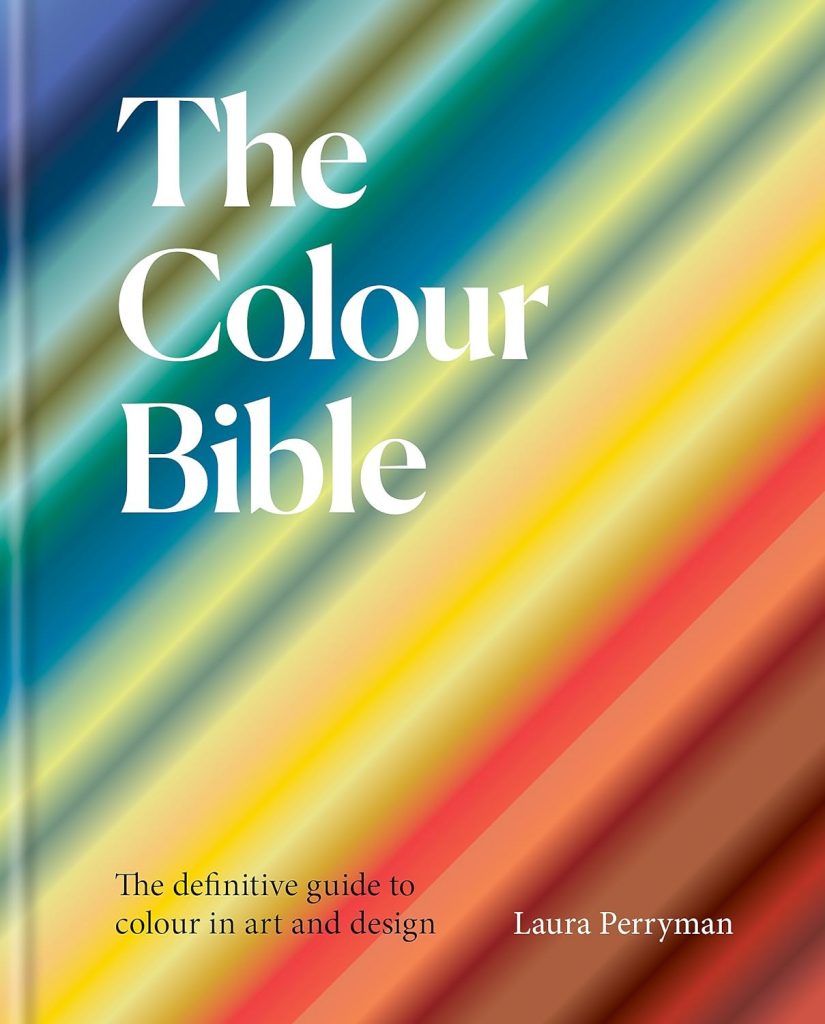
The Colour Bible by Laura Perryman

Color Bible

The Colour Bible is an essential and inspirational guide to colour in art and design. It’s a succinct book covering 100 significant colours and their pertinence and potential for use in the world around us.

Colour is multifaceted, without an understanding of the fundamentals of colour theory and understanding of how colour affects us – it can feel overwhelming. The book clearly highlights the foundations of colour, with tips on how to use colour for the better – to improve user experience and create improved palettes. There are cues of how to make successful but also intelligent palettes with each of the colour entries.

It’s chaptered by the spectrum red, yellow, orange, blue, greens, pales, darks and browns. Each chapter explores each colour area.

Every colour profile starts from the colour’s origin then tracks its evolution, historical use and where it lands today – the then and the now. Each entry finishes with a suggestion for the modern utility of the colour.

It’s visual – it was always going to be! Using examples of art or design to unpick individual colours, their histories, material origins – and demonstrates how they have context and relevance in today’s world – and showcases more advanced forms of colour, natural colour, and colour trends highlighting where they are heading.

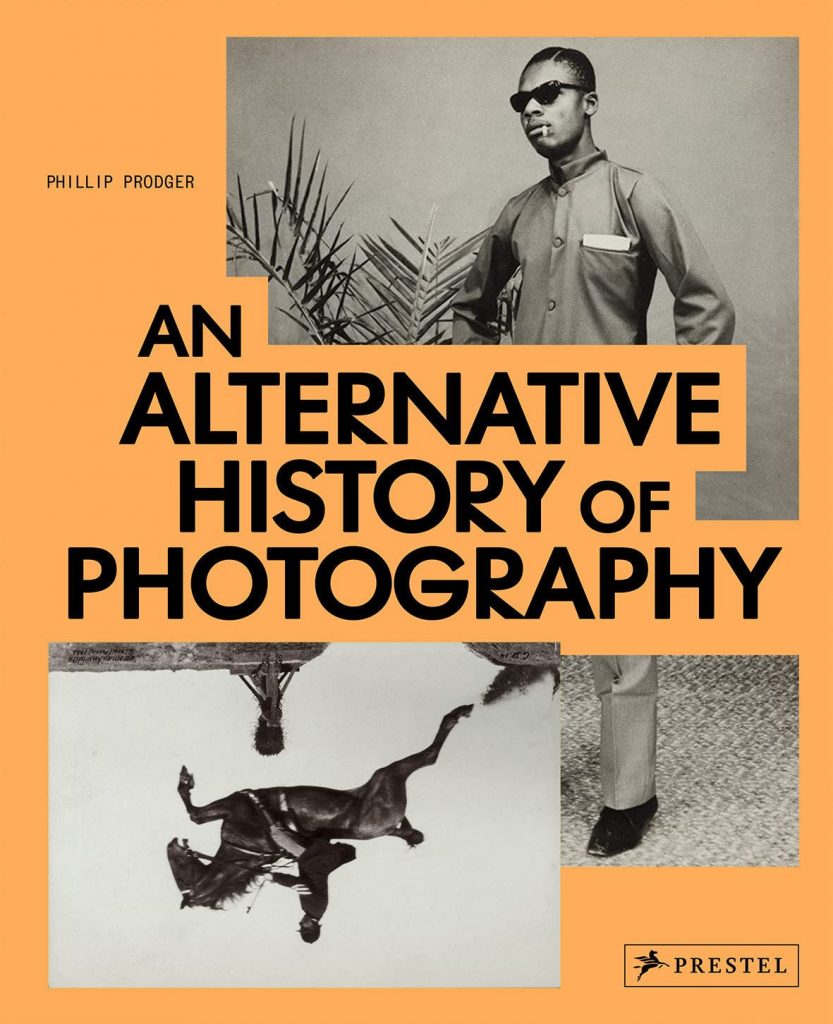
An Alternative History of Photography by Phillip Prodger (Photographer)

As inclusive, dynamic and exciting as the medium itself, this utterly original look at the history of photography integrates the landmark discoveries of recent decades to chart new pathways that encompass overlooked artists, traditions, and techniques. The real history of photography is a vast collection of inter-connected stories. It parallels acknowledged greats with forgotten masters and lesser-known works with regional champions. It is a complex interplay of fine art, scientific, anthropological, documentary, and amateur traditions forged by women and men alike.
It contains many rarities and “firsts” and spans photography’s early decades with linchpin works by Sir John Herschel, William Henry Fox Talbot, Hippolyte Bayard, and Julia Margaret Cameron.
Contemporary in outlook, visually captivating, and with contributions from leading curators and photo historians, this book will prove essential reading for those looking for an introduction to the field, as well as informed readers looking for more complete knowledge.

Find out more →

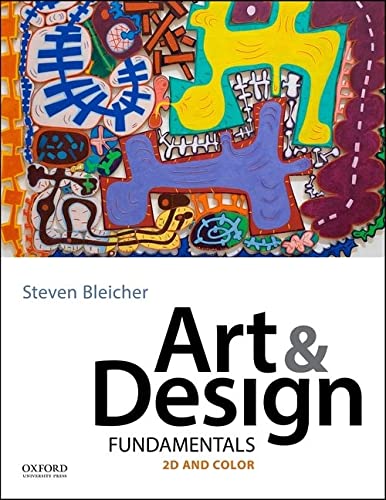
Art and Design Fundamentals by Steven Bleicher (Author)


Written for visual learners, Art and Design Fundamentals offers thorough yet succinct coverage of both traditional topics and new technologies. Details are crucial to Art and Design Fundamentals; diverse visual examples highlight new perspectives, encourage cultural awareness, and support an equal emphasis on male and female artists. Students and professors alike will appreciate its logical organization, recommended projects, and resources that encourage detailed image analysis and illustrate how art and design principles and elements work together. Art and Design Fundamentals’ robust suite of digital resources and wealth of projects help students hone the skills they need to produce exceptional work in a dynamic field.

Find out more →

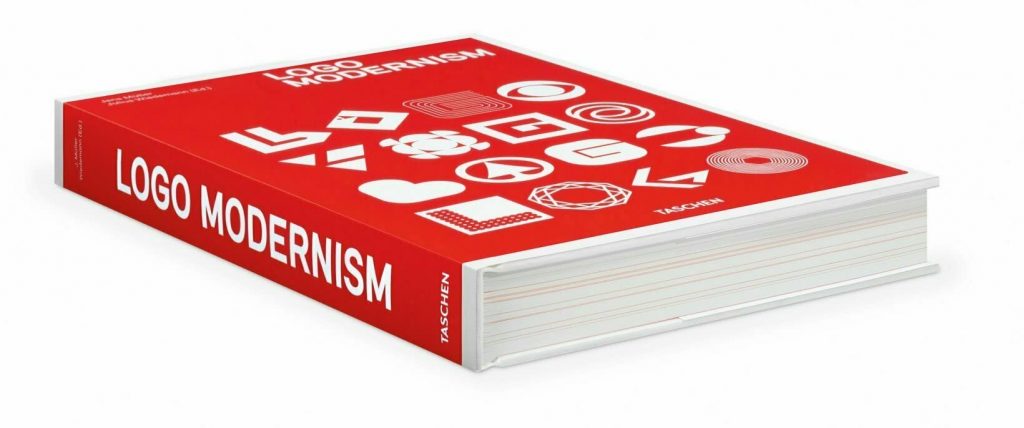
Logo Modernism by Jens Müller (Editor), Julius Wiedemann (Editor), R. Roger Remington (Author)

An unrivaled resource for graphic designers, advertisers, and branding specialists, Logo Modernism is equally fascinating to anyone interested in social, cultural, and corporate history, and in the sheer persuasive power of image and form.

This unprecedented TASCHEN publication, authored by Jens Müller, brings together approximately 6,000 trademarks, focused on the period 1940–1980, to examine how modernist attitudes and imperatives gave birth to corporate identity. Ranging from media outfits to retail giants, airlines to art galleries, the sweeping survey is organized into three design-orientated chapters: Geometric, Effect, and Typographic. Each chapter is then sub-divided into form and style led sections such as alphabet, overlay, dots and squares.

Alongside the comprehensive catalog, the book features an introduction from Jens Müller on the history of logos, and an essay by R. Roger Remington on modernism and graphic design. Eight designer profiles and eight instructive case studies are also included, with a detailed look at the life and work of such luminaries as Paul Rand, Yusaku Kamekura, and Anton Stankowski, and at such significant projects as Fiat, The Daiei Inc., and the Mexico Olympic Games of 1968. An unrivaled resource for graphic designers, advertisers, and branding specialists, Logo Modernism is equally fascinating to anyone interested in social, cultural, and corporate history, and in the sheer persuasive power of image and form.

Find out more →

Creating Characters for the Entertainment Industry: Develop Spectacular Designs from Basic Concepts Paperback by 3dtotal Publishing (Editor), Kenneth Anderson (Artist)

Engaging and informative, Creating Characters for the Entertainment Industry: Character Design for Animation, Illustration & Video Games is an inspiring and informative exploration of how popular professional character designers take the basic concept of a character in a production brief and develop these ideas into an original, high-quality design.

Suitable for student and professional character designers alike, this book focuses on how to approach your designs in ways that ensure the target audience and production needs are met while still creating fun, imaginative characters.

Find out more about Creating Characters for the Entertainment Industry: Character Design for Animation, Illustration & Video Games →

Making Videogames: The Art of Creating Digital Worlds by Duncan Harris, Alex Wiltshire

Making Videogames is an unprecedented snapshot of modern interactive entertainment, with insight from true pioneers about the most important games in the world. Illustrated with some of the most arresting in-game images ever seen in print, the book explores the unique alchemy of technical and artistic endeavour that constitutes the magic of videogames, striking a captivating balance between insight and accessibility. A book not only for die-hard videogame fanatics, but also for designer-creatives and the visually curious, Making Videogames is a thrilling showcase of the boundless creativity of this amazing industry.

Find out more about Making Videogames →