





Enhancing Creativity and Critical Thinking
Creativity lies at the heart of design education. It encourages students to think outside the box, explore new possibilities, and challenge conventional norms. By engaging in design projects, students learn to identify problems, analyse them from different perspectives, and generate innovative solutions. This process nurtures their creative thinking abilities and enables them to approach challenges with fresh insights.
Design education also cultivates critical thinking skills. With an A-level tutor, students learn to evaluate design choices, justify their decisions, and consider the implications of their work. They develop a keen eye for detail, honing their ability to spot potential issues and refine their designs accordingly. This critical mindset fosters a sense of quality and excellence, enabling designers to deliver impactful solutions.
Fostering Collaboration and Communication

In our fast-paced and interconnected world, the ability to collaborate and communicate effectively has become more crucial than ever before. And when it comes to design education, these skills take centre stage. Design students are taught the fundamental principles of their craft and encouraged to work in multidisciplinary teams, simulating real-world design scenarios. This collaborative approach not only enhances their learning experience but also prepares them for the dynamic nature of the design industry.
One of the key benefits of collaborative projects is the exposure they provide to diverse perspectives. By working with individuals from different backgrounds and areas of expertise, students gain a deeper understanding and appreciation for other viewpoints. This exposure broadens their horizons and encourages them to think beyond their perspectives, ultimately fostering creativity and innovation in their design process. It’s like brainstorming with people who bring unique ideas and insights.
However, collaboration is not just about working together; it’s also about effective communication. Design students quickly learn that expressing their design ideas clearly and articulately is essential. They must present their work to their peers and instructors, explaining their thought processes and the rationale behind their design choices. This communication aspect of design education is crucial because it helps students develop the necessary skills to convey their ideas and receive valuable feedback.
The iterative feedback process during collaborative projects is invaluable to design students. By receiving feedback from their peers and instructors, they gain fresh perspectives on their work, identify areas for improvement, and refine their designs accordingly. This feedback loop ensures that their final plans meet the needs and expectations of the intended audience. It also encourages them to think critically and analytically about their work, leading to constant growth and development as designers.
Practical communication skills are particularly vital in design professions. Designers often collaborate with clients, stakeholders, and colleagues throughout their careers. The ability to effectively communicate their design concepts, explain design choices, and understand the needs and expectations of different stakeholders is paramount. By honing their communication skills during their design education, students are better prepared to navigate these professional interactions confidently and clearly.
Empowering User-Centric Design
Design education places a strong emphasis on user-centricity. Students are taught to deeply understand the end-user’s needs, desires, and motivations. By conducting user research and usability testing, they gain insights into user behaviours and preferences, enabling them to create products and services that resonate with their target audience.
This user-centric approach leads to the development of products and experiences that are intuitive, delightful, and meaningful to users. It enhances user satisfaction, fosters brand loyalty, and drives business success. Design education equips students with the tools to bridge the gap between technology and human needs, resulting in solutions that truly make a difference in people’s lives.
Driving Innovation and Problem-Solving
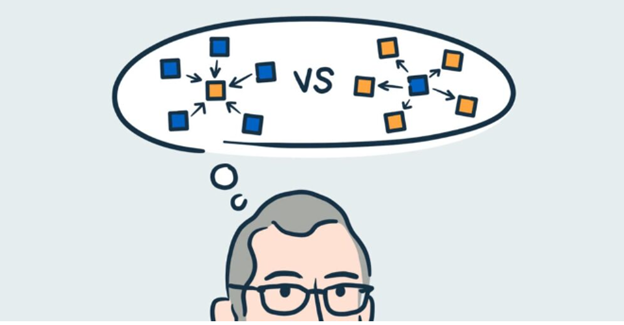
Design education plays a crucial role in driving innovation across industries. Encouraging students to explore and experiment ignites their curiosity and helps them discover unique solutions to complex problems. Design thinking, a necessary methodology taught in design education, empowers students to approach challenges systematically and creatively.
Designers are trained to identify opportunities, redefine problems, and ideate potential solutions. They learn to prototype and iterate on their ideas, gathering feedback and continuously refining their designs. This iterative process encourages a culture of innovation, where failure is seen as a stepping stone to success.
Furthermore, design education equips students with the skills to tackle societal challenges. From sustainable design practices to addressing social issues, designers can create positive change. By embedding ethical considerations and sustainability principles into their work, designers contribute to a more equitable and sustainable future.
Written By Stuart Crawford