



Introduction: The Fluid Dematerialization of Creative Pedagogies
The contemporary landscape of art education is experiencing a profound paradigm shift that challenges the historical foundations of creative training. For over a century, formal arts pedagogy was anchored strictly inside physical studio spaces, reliant on traditional media like charcoal, oil paints, and clay. This long-standing framework operated on a linear, master-apprentice model where success was judged by structural accuracy, material mastery, and adherence to established classical aesthetics. However, the modern intersection of digital technologies, shifting socioeconomic demands, and cross-disciplinary market industries has dismantled these rigid institutional boundaries. Today, art education is no longer an isolated pursuit of fine craft; it has transformed into a fluid, hyper-connected laboratory of systemic creative expression.
This comprehensive evolution aligns directly with international educational frameworks established by UNESCO, which champion the integration of flexible, modern competencies into core creative curricula. By transforming the contemporary classroom into a multidisciplinary sandbox, modern art education is opening its doors to an incredibly diverse global student cohort. Students are no longer trained to look backward toward historic European techniques exclusively; they are encouraged to look forward, exploring how human emotional expression interfaces with technological infrastructure. The ultimate destination of this ongoing transformation is the cultivation of a deeply strategic creative class capable of deploying visual language to solve complex global narratives.
The Integration of Hybrid Skill Sets: Blending Code, Data, and Fine Art
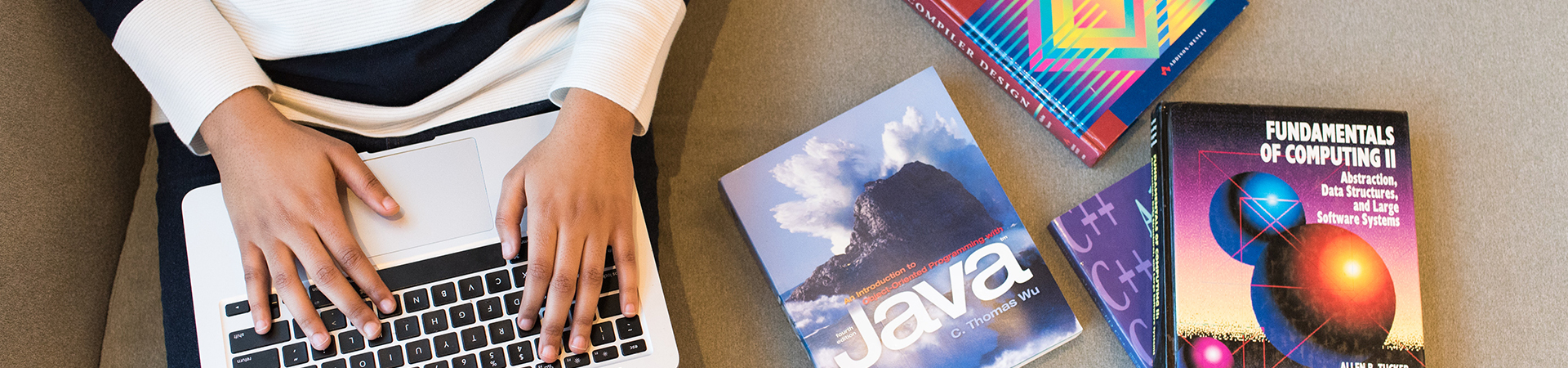
The primary trend redefining modern art education is the radical dismantling of legacy fine arts departments in favor of hybrid, multi-media curricula. Top-tier creative institutions are systematically replacing isolated printmaking and sculpture silos with integrated classrooms that combine digital literacy, creative coding, and data visualization alongside classical studio techniques. Students are trained to understand that contemporary creative expression requires fluency across both physical and digital media. A modern painting student might spend their morning mastering oil glazing techniques and their afternoon using processing scripts or creative coding languages to generate algorithmic light overlays.
This cross-pollination of skills creates what industry experts call the “T-shaped creative practitioner”—an individual with a deep, specialized knowledge of a core artistic discipline paired with broad, collaborative literacy in emerging technological fields. Curriculums now incorporate advanced data science modules, instructing students on how to transform complex statistical data fields into immersive visual narratives and abstract artistic installations. This method forces future visual artists to treat data not as a cold, analytical corporate product, but as a vibrant, malleable creative medium. By teaching artists to analyze, interpret, and visually challenge quantitative data structures, modern faculties are positioning their graduates at the very forefront of digital media, interactive experience design, and human-computer interface development.
Furthermore, this hybrid educational approach shifts the nature of critique inside the art studio by introducing new parameters for creative validation. Student portfolios are no longer evaluated solely on the basis of physical composition, color harmony, or raw manual precision. Instead, professors and peer juries evaluate submissions based on systemic concept development, interactive user engagement, and structural multi-media performance. A student’s work might combine traditional hand-woven textiles with embedded biometric sensors that adjust digital ambient soundscapes based on the viewer’s heart rate. This blend of craft and code prepares visual artists to thrive within modern creative economies where tech conglomerates, public cultural institutions, and global design agencies require absolute cross-disciplinary agility.
The Rise of Industry-Vetted Corporate Academies and Alternative Credentials
As traditional higher-education institutions struggle with high tuition costs and sluggish administrative update cycles, alternative credentialing frameworks are quickly gaining market dominance. The global digital education market is projected to expand exponentially toward the year 2030, heavily driven by alternative creative learning channels and specialized corporate training networks. Students are increasingly bypassing formal four-year fine arts degrees, which frequently saddle graduates with long-term financial debt without offering clear avenues to professional stability. Instead, they are routing their personal capital toward agile micro-credentials, industry-led short courses, and localized studio residencies.
To meet this clear demand for agile learning pathways, global creative agencies and multinational technology enterprises are launching their own targeted art academies. These industry-led initiatives bypass abstract academic theory to focus entirely on high-utility capabilities optimized for immediate integration into fast-paced commercial production pipelines. For example, digital entertainment giants and animation studios build intensive, online micro-academies that function as hyper-focused vetting pipelines for top-tier digital illustrators, character concept artists, and spatial world builders. These programs disregard historical institutional benchmarks, prioritizing production-ready software tools, collaborative engine mechanics, and the rapid execution of real-world client briefs.
By 2030, this industry-vetted paradigm will completely redefine standard creative recruitment practices across the globe. When a modern design agency or digital media enterprise seeks to hire a creative director or visual artist, human resource departments do not filter resumes based on institutional prestige. Instead, they deploy specialized screening mechanisms that evaluate a candidate’s live digital repositories, collaborative open-source contributions, and real-time design sprint capabilities. Cryptographic, blockchain-verified digital badges and stackable micro-credentials are automatically checked against the candidate’s live portfolio log. This transparent approach levels the global playing field, ensuring that career opportunities are extended to talented individuals based on their current execution speed and technical ingenuity rather than their socio-economic capacity to afford an elite university degree.
Immersive Pedagogies: Extended Reality (XR) and Virtual Reality Critiques
The classical format of art history lectures and flat, two-dimensional critique boards is rapidly disappearing from modern art classrooms. Contemporary visual arts programs are engineering high-fidelity, active simulation environments that utilize extended reality (XR) tools, virtual display engines, and multi-user digital spaces. This trend transforms the classroom from a passive listening space into an immersive, highly collaborative testing ground where physical location presents zero operational friction.
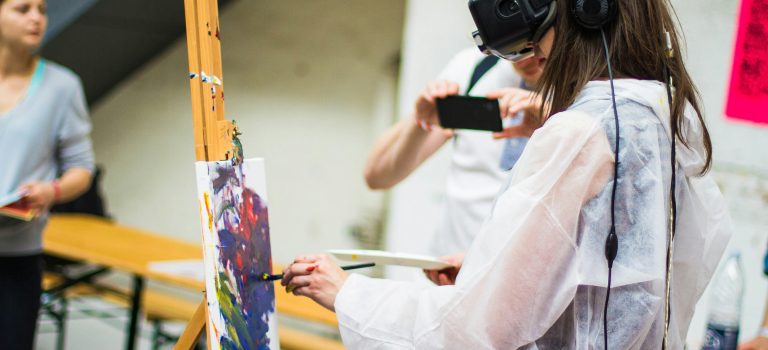
Students utilize cloud-native virtual environments to model, arrange, and display their creative projects inside digital twin replicas of major international galleries and public museum spaces. A sculpture student operating out of a remote regional studio can place a digital model of their installation inside a virtual replication of a premium gallery space, evaluating lighting conditions, spatial scale, and viewer movement vectors with high precision. Juries consisting of international art critics, remote professors, and peer cohorts can put on headsets, step into the 1:1 scale virtual gallery space, and collaboratively walk around the active asset to leave spatial notes directly onto its surfaces.
This immediate, immersive feedback loop changes the nature of artistic experimentation, allowing students to test large-scale installations that would be financially and logistically impossible to build in physical campus environments. Students can dynamically alter materials, scale, and environmental lighting variables within seconds based on real-time notes from remote jurors. This agility allows for a massive increase in concept testing and spatial risk-taking, accelerating the conceptual development of the student’s portfolio. Visual artists learn to defend their spatial work not with vague artistic narratives alone, but with calculated interactive data tracks that prove a sophisticated understanding of scale, human behavior, and immersive architectural volume.