BE OPEN Academy Poll. Best offline programme in Sound Design in UK

Music and Sound Design course available from Manchester Metropolitan University has won in our online poll about the best offline programme in Sound Design in UK.

The other entries in the poll were:

  • Sound Arts by Plymouth College of Art
  • Digital Music and Sound Arts MA by University of Brighton
  • BA (Hons) Sound Arts and Design by University of the Arts London
  • Music and Sound Design by Ravensbourne University
BE OPEN: Gamification of Learning Pt.2

BE OPEN: Gamification of Learning Pt.2

Educational Games for Skill Building And Learner Engagement

In fact, there are a number of educational games online that help young and old students learn new things, develop problem-solving skills, and get creative while having a great time. For example, timetables are written with clear instructions, and children learn how to slope and build roller coasters while playing in action. If you’re looking for other options, Minecraft and Roblox are popular with kids of all ages because they offer free educational resources.

Many schools are engaged in educational video games, and homeschoolers can do the same. There are some great games that try to present high-quality educational content in a fun format that students will love from kindergarten to high school. Video games for Wii, Xbox, and PlayStation will get your children excited about the learning process.

Consider using a serious single or multiplayer game (see GamesForChange.org) as a warm-up for online classroom discussions. Students can play and judge video games, like the Civilization series, for their content and accuracy.

An Example Study On Educational Games

In six sessions lasting for nine weeks, we will explore the development of educational video games and hear from experts who have worked on many aspects of learning through game design, development, and implementation. Each group will engage in a discussion on the development of educational games.

The current meta-analysis builds on earlier meta-analyses by expanding the scope of constituent studies and focusing on an overlapped but unambiguous cross-section of research literature, with a greater emphasis on learning games among K-16 students. This study provides a specific and unambiguous focus on (a) digital games for students from K-16 and (b) cognitive, intrapersonal, and interpersonal learning outcomes. Based on the previous meta-analysis, we predict that the game condition will be associated in media comparisons with better learning outcomes than the non-game condition. Many studies have included games as a condition for additional play-free instruction, in which students participate in relevant classwork in addition to playing. Games should be adapted to the difficulty that suits your learning style and grade level.

Gaming Platforms

Sheppard Software is led by Brad Sheppard and hosts hundreds of free online educational games for children. The company divides these games into categories and enables students and teachers to orient themselves according to subject areas and find suitable games that meet the educational needs of children with curiosity and a thirst for knowledge and challenge.

For over a decade, iCivics, which has over 20 free games on its platform, has become my gateway to game-based learning. When they taught middle-school children social studies, they noticed that 12- and 13-year-olds got bored with the content. For example, to help students learn about the Bill of Rights, they let students play “The Rights Game,” in which players learn to manage a civil rights firm.

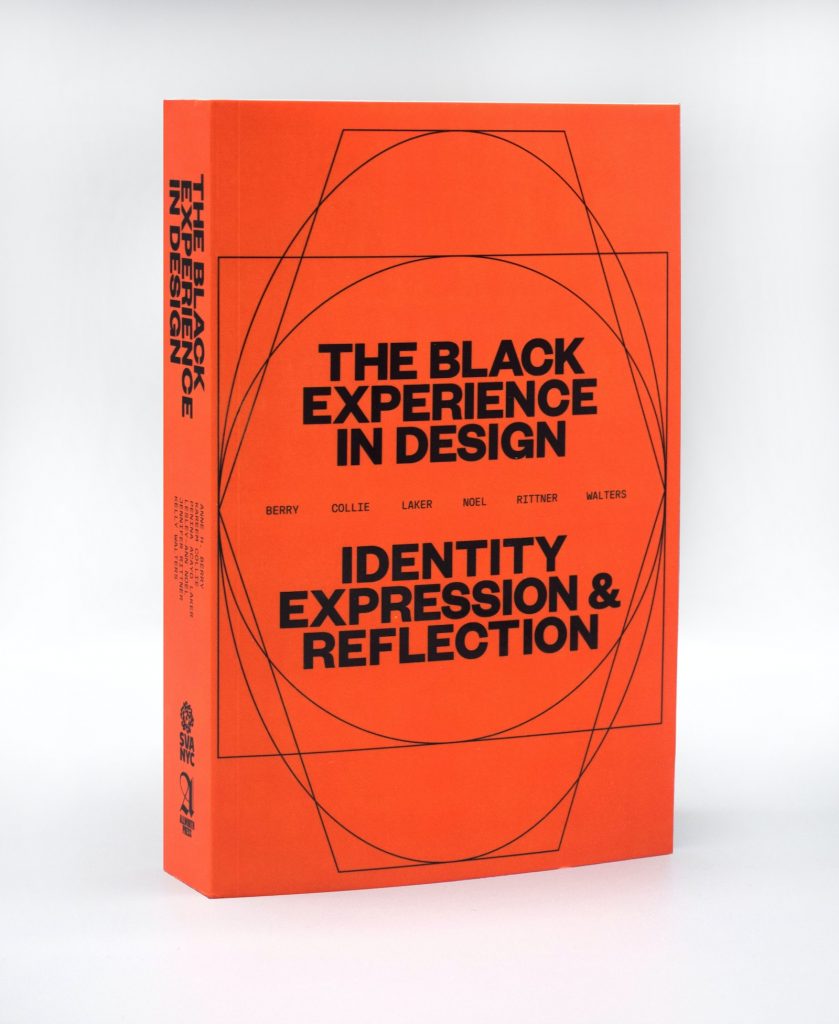
The Black Experience in Design: Identity, Expression & Reflection


Author: Jennifer Rittner (Editor) Lesley-Ann Noel (Editor) Kelly Walters (Editor) Anne H Berry (Editor) Kareem Collie (Editor) Penina Acayo Laker (Editor)

The Black Experience in Design spotlights teaching practices, research, stories, and conversations from a Black/African diasporic lens.
Excluded from traditional design history and educational canons that heavily favor European modernist influences, the work and experiences of Black designers have been systematically overlooked in the profession for decades. However, given the national focus on diversity, equity, and inclusion in the aftermath of the nationwide Black Lives Matter protests in the United States, educators, practitioners, and students now have the opportunity–as well as the social and political momentum–to make long-term, systemic changes in design education, research, and practice, reclaiming the contributions of Black designers in the process.

The Black Experience in Design, an anthology centering a range of perspectives, spotlights teaching practices, research, stories, and conversations from a Black/African diasporic lens. Through the voices represented, this text exemplifies the inherently collaborative and multidisciplinary nature of design, providing access to ideas and topics for a variety of audiences, meeting people as they are and wherever they are in their knowledge about design. Ultimately, The Black Experience in Design serves as both inspiration and a catalyst for the next generation of creative minds tasked with imagining, shaping, and designing our future.

Find out more about The Black Experience in Design →

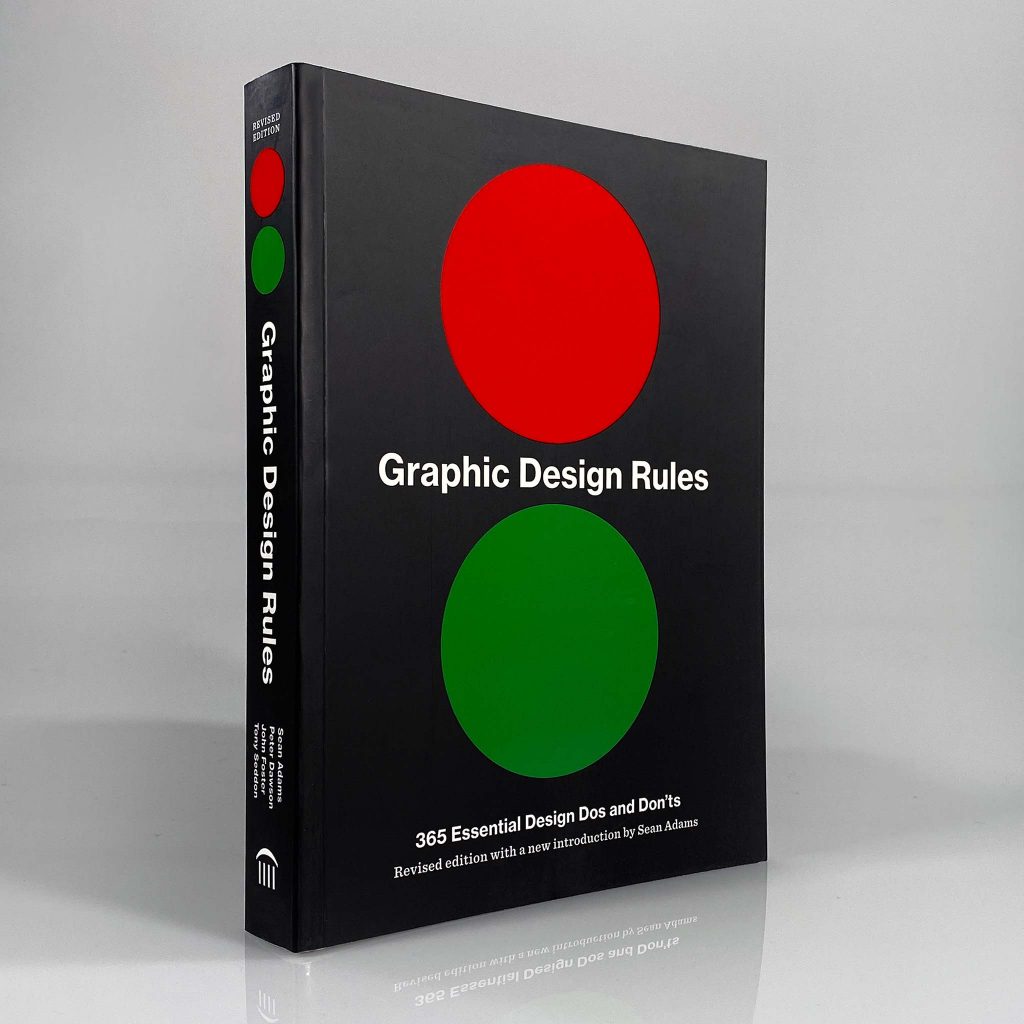
Graphic Design Rules: 365 Essential Design Dos and Don’ts by Sean Adams, Peter Dawson, John Foster, and Tony Seddon

A handy guide for professional graphic designers, students, and laypeople who incorporate graphic design into their job or small business. Packed with practical advice, this spirited collection of design dos and don’ts takes readers through 365 rules like knowing when to use a modular grid — and when to throw the grid out the window. All designers will appreciate tips and lessons from these accomplished authors, who draw on years of experience to help you create good design.

Find out more about Graphic Design Rules: 365 Essential Design Dos and Don’ts →

BE OPEN: Gamification Of Learning Pt.1

BE OPEN: Gamification Of Learning Pt.1

Why Online Educational Games for Children Are Great

Online educational games for children are a great way to build the skills they need to succeed in school. Primarily, games provide teacher-created and approved educational computer games to elementary school students to learn math, language, and art over the internet. Educational games from Greate are an alternative for children who are not so good at learning with pencils and paper.

This is true regardless of whether your child is learning through homework, online learning, or in a traditional classroom. Whatever the subject, whether your child hates it or loves it, educational games for children can help you teach them the love of learning. There are many educational quizzes, funny fillings, and action/adventure games to play. Children can play games that allow them to improve in the game while unlocking fantastic prizes.

The Educational Value of Video Games

Encourage your child to spend time playing educational video games, as a child strengthens their skills in many subjects. Children can explore the ocean through a series of lessons and seven different educational games in the Magic School Bus to the Ocean. Your child can help Carmen and Sandiego track down burglars who work for a global, criminal organization called “El Chapo.” It contains more than 25,000 words, 100 different levels that involve the player, and 11 different games. In this incredible collection of games of varying difficulty, you will find social studies, teamwork, and feeling.

This educational MMO takes children between the ages of 8 and 13 on a search for knowledge through language, art, mathematics, natural sciences, and social sciences. Children can take the Wunderkind Placement Test to develop games that are tailored to their strengths and weaknesses. There is access to over 140 online educational games for K-6 children. This site was developed by primary school teachers and focuses on strengthening basic learning concepts, such as mathematics, reading, spelling, language, art, typing, and problem-solving.

Immerse yourself in exciting learning activities and games for children in grades 1-6, designed to promote vocabulary, spelling, phonics, language, and art. A plethora of word and puzzle games will make children smile as they build their own virtual library of fun Nintendo DS games. Game Challenge Tynker gives children aged 5 and over a fun and easy way to learn to program. Buying and selling sweet treats in this game helps students understand the concepts of price and purchase. With this app and game, toddlers can practice the basics of ABCs, letters, and numbers from 1 to 10.