BE OPEN Academy Poll. Best Animated Backgrounds in After Effects Tutorial by SonduckFilm

4 Motion Background Design Techniques in After Effects video offered by SonduckFilm has won in our online pole about the best animated backgrounds in After Effects tutorial by SonduckFilmLearn how to create repeated lines, popping pluses, big circles, and how to frame your background.

The other contestants in the pole were:

  • 3 Seamless Motion Graphic Backgrounds in After Effects
  • 3 Types of Animated Backgrounds
  • 5 Trendy Animated Backgrounds in After Effects
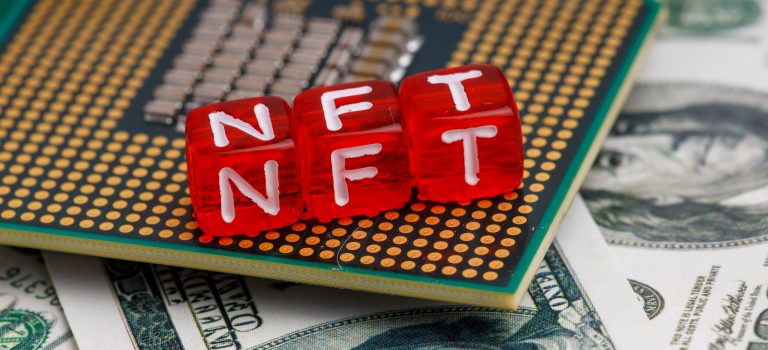
BE OPEN: NFTs In Education: A Revolutionary Way of Learning Pt.2

BE OPEN: NFTs In Education: A Revolutionary Way of Learning Pt.2

NFTs in education offer a range of benefits, from security and interactivity to verification and flexibility. While there are some challenges to adopting NFTs in education, the potential applications of the technology are promising. As technology becomes more widespread and accessible, we can expect to see more educational institutions using NFTs to enhance the learning experience and prepare students for the digital age.

Benefits Of NFTs In Education

NFTs offer several benefits to students and educators, including:

  • Security: NFTs are tamper-proof and cannot be replicated, ensuring that educational certificates and other important documents are secure.
  • Interactivity: NFTs can be used to create immersive and interactive learning experiences that are engaging and fun for students.
  • Verification: NFTs make it easier for employers to verify the authenticity of a candidate’s credentials, reducing the risk of fraud.
  • Flexibility: NFTs can represent anything from educational certificates to collectibles, making them versatile and applicable to a wide range of use cases.

Challenges In Adopting NFTs In Education

While NFTs offer several benefits, there are also some challenges in adopting them in education, such as:

  • Technical expertise: Creating and managing NFTs requires technical expertise, which may be a barrier for some institutions.
  • Cost: Developing and implementing NFTs can be costly, which may make it difficult for smaller institutions to adopt them.
  • Integration: Integrating NFTs with existing educational systems and processes can be challenging, particularly in larger institutions.
  • Standardization: Currently, there is no standardization for NFTs in education, which can create confusion and uncertainty.

Future Of NFTs In Education

Despite these challenges, the future of NFTs in education is promising. As technology becomes more widespread and accessible, we can expect to see more educational institutions adopting NFTs. Some potential future applications of NFTs in education include:

  • Personalized learning: NFTs can be used to create personalized learning experiences tailored to individual students’ needs and interests.
  • Digital portfolios: NFTs can be used to create digital portfolios that showcase students’ skills and achievements, making it easier for them to demonstrate their abilities to potential employers.
  • Micro-credentials: NFTs can be used to create micro-credentials that represent specific skills or knowledge areas, making it easier for students to demonstrate their expertise in a particular subject.
  • Decentralized learning: NFTs can be used to create decentralized learning environments that are not tied to any particular institution or organization, enabling learners to access educational resources from anywhere in the world.

Final Thoughts

NFTs in education offer a range of benefits, from security and interactivity to verification and flexibility. While there are some challenges to adopting NFTs in education, the potential applications of the technology are promising. As technology becomes more widespread and accessible, we can expect to see more educational institutions using NFTs to enhance the learning experience and prepare students for the digital age.

BE OPEN Academy Poll. Best online Pixel Art course by Udemy

According to the visitors of the BE OPEN Academy platform, Complete Beginners Guide to Pixel Game Art is the best online Pixel Art course by Udemy. Learning game art can be difficult. You not only have to draw but you have to learn software. This course demystifies that process. In it you will start out with the very basics of simple asset design. Then to more challenging subjects like tiles and tile sets as well as modular 2D art for mobile games.

It has gained more votes than other online courses in Pixel Art by Udemy:

  • Learn Pixel Art for Games
  • Pixel Art for Video Games
  • Pixel Art Master Course

Building for Change: The architecture of Creative Reuse

Author: Ruth Lang

Construction, which accounts for over a third of global carbon emissions, is an obvious target for improvement. Neatly positioned within this is the issue of extending the lifespan of existing buildings which have, on the face of it, outlived their immediate usefulness.

How can we build a sustainable future in a time of climate change and dwindling resources? As our spatial needs begin to evolve more rapidly, architects are exploring ingenious ways in which to reuse and recycle existing buildings; resulting in a stunning transformation of our existing urban fabric.

Building for Change collects the strategies of reuse together, demonstrating their power for change through groundbreaking projects from some of the world’s leading architects. From waste repurposed as construction materials, to buildings reworked with canny spatial interventions, and modular structures designed to be dismantled, discover how the architecture of creative reuse is helping us build a better tomorrow.

Find out more about Building for Change →

Making Videogames: The Art of Creating Digital Worlds by Duncan Harris, Alex Wiltshire

Making Videogames is an unprecedented snapshot of modern interactive entertainment, with insight from true pioneers about the most important games in the world. Illustrated with some of the most arresting in-game images ever seen in print, the book explores the unique alchemy of technical and artistic endeavour that constitutes the magic of videogames, striking a captivating balance between insight and accessibility. A book not only for die-hard videogame fanatics, but also for designer-creatives and the visually curious, Making Videogames is a thrilling showcase of the boundless creativity of this amazing industry.

Find out more about Making Videogames →

BE OPEN: NFTs In Education: A Revolutionary Way of Learning Pt.1

BE OPEN: NFTs In Education: A Revolutionary Way of Learning Pt.1

NFTs in education are transforming the way we learn and teach. Discover how non-fungible tokens are being used in education and the benefits they offer to students and educators.

The Role of NFTs In Education

The world of education is constantly evolving, and the emergence of non-fungible tokens (NFTs) has revolutionized the way we learn and teach. NFTs are digital assets that are unique and cannot be replicated, making them a perfect fit for the education sector. From digitizing educational certificates to creating interactive learning experiences, NFTs are transforming the education landscape. In this article, we will explore how NFTs are being used in education and the benefits they offer to students and educators.

What Are NFTs In Education?

NFTs, or non-fungible tokens, are a type of digital asset that uses blockchain technology to certify their uniqueness and ownership. In simple terms, an NFT explained is a digital certificate of ownership that verifies the authenticity and provenance of a digital asset. Each NFT is unique and cannot be replicated or replaced, which makes them valuable for collectors and investors. NFTs can take many forms, including digital art, music, videos, and other types of digital content.

The metaverse is transforming the eCommerce landscape by creating new opportunities for brands to connect with consumers in immersive virtual environments, and this trend is also beginning to impact the field of education, where NFTs are being used to verify and showcase students’ academic achievements. NFTs can represent anything from digital art to educational certificates, making them versatile and applicable to a wide range of use cases.

How Are NFTs Used In Education?

NFTs can be used in education to certify the ownership and authenticity of digital certificates, degrees, and other academic achievements. They can also be used to create digital portfolios that showcase students’ skills and achievements, as well as personalized learning experiences tailored to individual students’ needs and interests.

Additionally, NFTs can be used to create micro-credentials that represent specific skills or knowledge areas, making it easier for students to demonstrate their expertise in a particular subject.

NFTs are being used in various ways in education, including the following.

Digital Certificates

NFTs can be used to digitize educational certificates, making them tamper-proof and easily shareable. This can eliminate the need for paper certificates, reduce the risk of fraud, and make it easier for employers to verify the authenticity of a candidate’s credentials.

Interactive Learning

NFTs can be used to create interactive learning experiences that are engaging and immersive. For example, a student could use an NFT to access a Virtual Reality environment where they can practice their language skills or explore a historical site.

Fundraising

NFTs can be used to raise funds for educational institutions or specific projects. For example, an institution could create an NFT that represents a piece of artwork created by a student, and auction it off to raise funds.

Collectibles

NFTs can be used to create collectibles that represent achievements or milestones. For example, a student could receive an NFT for completing a course or achieving a certain grade.