




Artificial Intelligence (AI) has been making waves in various industries, and the education sector is no exception. In recent years, AI has found its way into learning, providing students with personalized learning experiences and teachers with powerful tools to track student progress and adapt their teaching methods. AI-based learning platforms, like ChatGPT, have gained popularity due to their ability to engage students in a conversational manner, similar to that of a human tutor. The use of AI has also been praised for its potential to improve learning outcomes by providing students with more efficient and effective ways to learn. However, with the rise of AI in learning, there are also concerns about the potential negative impact it could have on students. Some experts argue that AI-based learning platforms could hinder critical thinking skills and reduce human interaction, which is an essential aspect of learning.
We will explore the pros and cons of using AI in learning, specifically focusing on the ChatGPT platform. We will examine the potential benefits of AI in learning, including personalization and efficiency, as well as the potential drawbacks, such as the lack of human interaction and the potential negative impact on critical thinking skills. By the end of this article, you will have a better understanding of the impact of AI on learning outcomes, and whether ChatGPT is helping or hindering student learning.
The Benefits of Using AI In Learning
The use of Artificial Intelligence in learning has numerous benefits. AI can personalize learning by tailoring lessons to individual student’s needs, providing immediate feedback, and offering guidance. Chatbots like ChatGPT can engage students, answer their questions, and keep them motivated. Additionally, AI can collect and analyze data on student performance, enabling educators to make informed decisions about teaching methods and curriculum improvements.
The potential benefits of AI in learning are significant, with the ability to revolutionize teaching and learning processes. Despite challenges, such as bias and limitations in individualized learning, the potential benefits make AI a promising tool for educators to consider. AI in learning has the potential to enhance the educational experience, improve learning outcomes, and support student success.
The Challenges of Using AI In Learning
AI has the potential to revolutionize learning, but challenges need to be addressed. Bias in AI models, lack of personalization, the potential for errors, and fear of job loss for teachers are among the challenges. AI models can perpetuate biases if trained on biased data, and they may struggle with individualized learning needs.
Errors in AI recommendations or feedback can impact learning outcomes. Additionally, there are concerns about the replacement of human teachers by AI. It is crucial to address these challenges to ensure that AI in learning enhances outcomes and benefits learners. Careful consideration and ethical use of AI are necessary to mitigate biases, improve personalization, minimize errors, and ensure that AI complements human teachers rather than replacing them.
What Is ChatGPT and How Does It Work?
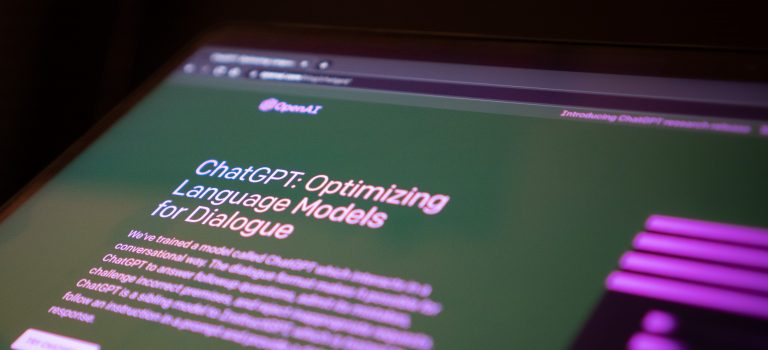
ChatGPT is an AI chatbot that uses the GPT model to provide responses to user input in natural language. It can be used in various learning contexts, such as language learning and test preparation, to provide personalized feedback and practice opportunities. The chatbot analyzes user input and generates responses based on its understanding of the user’s needs and goals. It can provide explanations, examples, and exercises tailored to the user’s level and needs.
However, ChatGPT has limitations, including difficulties in understanding complex or ambiguous input, and its responses may be limited by its programming and data input. Some learners may prefer human interaction over interacting with a chatbot. Overall, ChatGPT can be a useful tool for learning, but its effectiveness depends on the context and individual learner preferences. Careful consideration of the pros and cons of using AI in learning is recommended before incorporating ChatGPT or other chatbots into educational practices. By Robin T. Greene-Harper