




Update: BOA added 6 free video tutorials on Photoshop offered by Gareth David Studio
Month: April 2024
ArtCurious: Stories of the Unexpected, Slightly Odd, and Strangely Wonderful in Art History by Jennifer Dasal
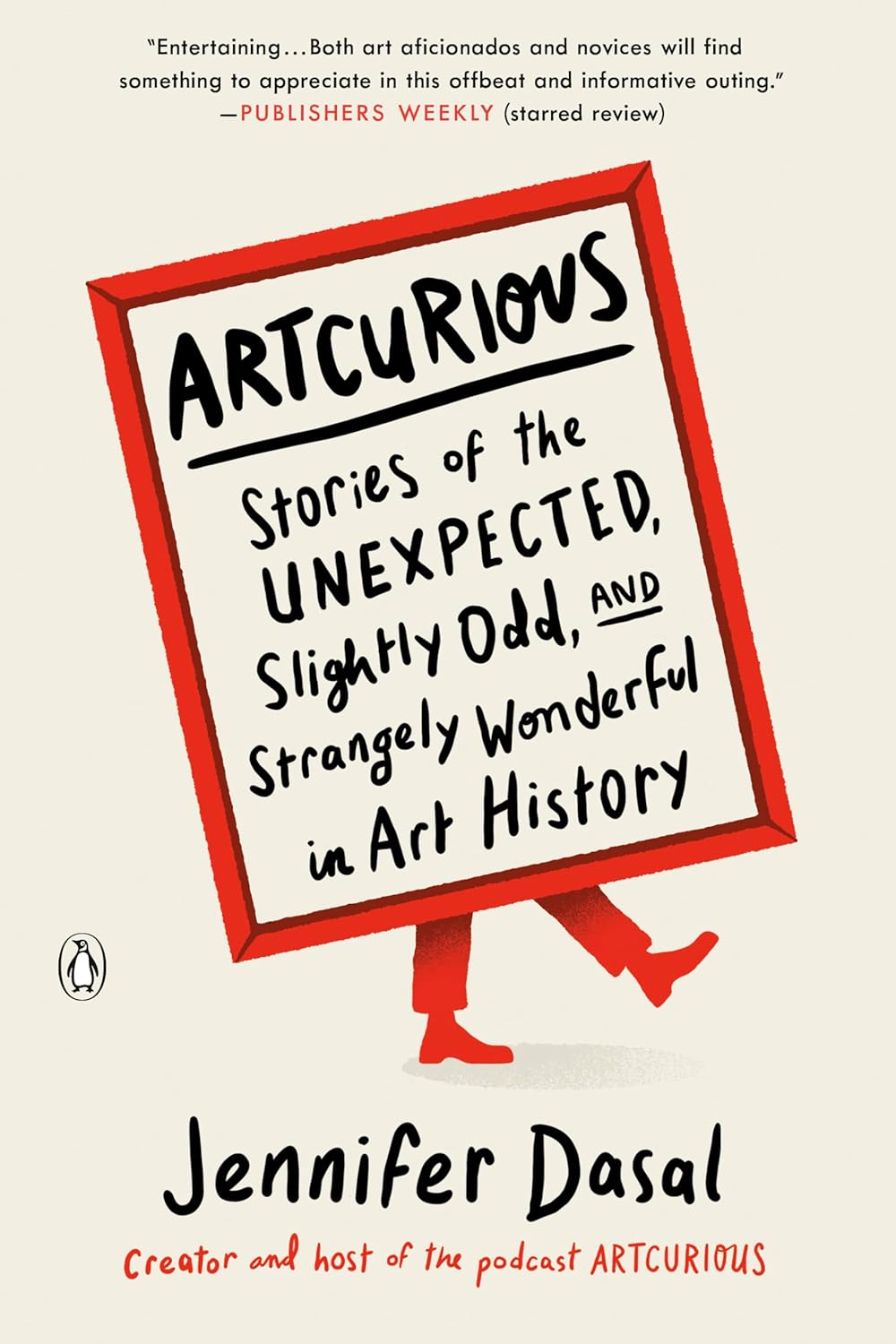
A wildly entertaining and surprisingly educational dive into art history as you’ve never seen it before, from the host of the beloved ArtCurious podcast.
We’re all familiar with the works of Claude Monet, thanks in no small part to the ubiquitous reproductions of his water lilies on umbrellas, handbags, scarves, and dorm-room posters. But did you also know that Monet and his cohort were trailblazing rebels whose works were originally deemed unbelievably ugly and vulgar? And while you probably know the tale of Vincent van Gogh’s suicide, you may not be aware that there’s pretty compelling evidence that the artist didn’t die by his own hand but was accidentally killed–or even murdered. Or how about the fact that one of Andy Warhol’s most enduring legacies involves Caroline Kennedy’s moldy birthday cake and a collection of toenail clippings?
ArtCurious is a colorful look at the world of art history, revealing some of the strangest, funniest, and most fascinating stories behind the world’s great artists and masterpieces. Through these and other incredible, weird, and wonderful tales, ArtCurious presents an engaging look at why art history is, and continues to be, a riveting and relevant world to explore.
The Art of AI Conversations: A Beginner’s Guide to Prompt Engineering: Boost Your Output Quality, Find Real-World Applications, and Gain Confidence in the Future of AI
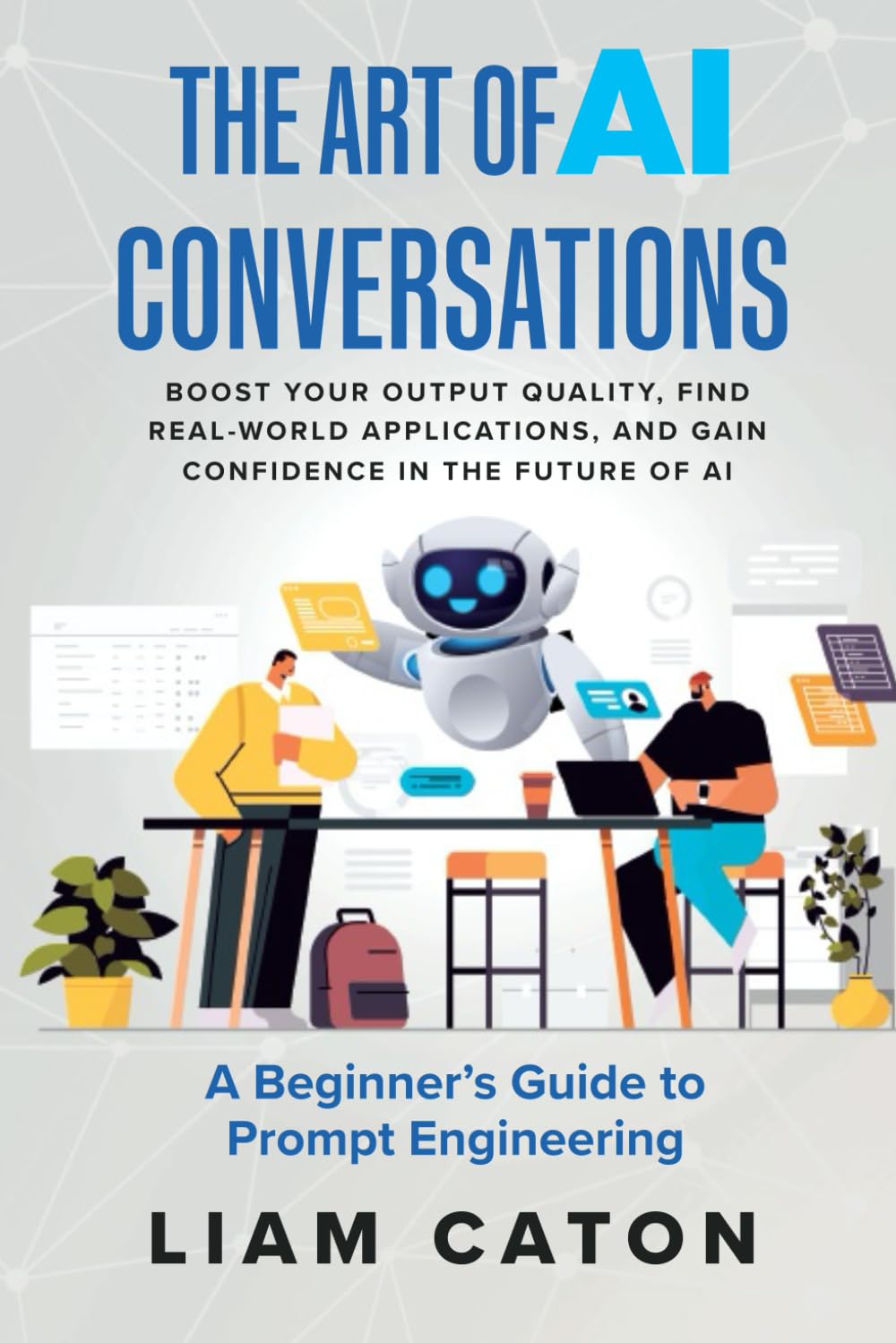
Author: Liam Caton
Introducing ‘The Art of AI Conversations: A Beginner’s Guide to Prompt Engineering’, a practical, comprehensive guide that demystifies the process of crafting effective prompts and brings the world of AI to your fingertips.
In this illuminating guide, you will unravel:
- The ABCs of AI prompt engineering: A step-by-step approach that helps simplify complex AI concepts
- How to create impactful prompts that elicit impressive AI responses
- In-depth insights into the workings of advanced language models like ChatGPT, empowering you to harness their true potential
- Practical, actionable guidance to use AI for your specific industry, project, or hobby
- Surprising connections of prompt engineering in diverse fields such as education, tech, and arts
- How to stay on the forefront of rapid AI advancements without getting overwhelmed
- Ethical considerations when crafting prompts and navigating the AI landscape, making sure your creations are fair and unbiased
- Unleashing your creativity to come up with inspiring prompts even when you think you’ve hit a block
- The importance of setting realistic expectations from AI and how to balance it with its limitations
- Myriad hands-on exercises to solidify your learning and immediately apply the learned concepts
And so much more.
But hold on, you might wonder, “I’m not tech-savvy, would this book still make sense to me?” or “I don’t want to waste time on fluff and repetitive content. Is this guide different?”
Here lies the real power of this guide. This book is specifically designed to be accessible even to beginners. It breaks down highly complex concepts into digestible chunks, eliminating unnecessary technical jargon. The unique approach is focused on practical, real-world applications, devoid of fluff and filler content.
So even if specializing in AI feels light years away or you’ve struggled with comprehending other resources in the past, ‘The Art of AI Conversations: A Beginner’s Guide to Prompt Engineering’ might just be what you need to make that quantum leap forward.
Find out more about The Art of AI Conversations: A Beginner’s Guide to Prompt Engineering →
Update: BOA added 7 new online courses from Study365
BOA added 7 new online courses from Study365

Contextualization at the Heart of Learning Design
5 Factors for Learning Designers to Consider
In this age of globalization and digitization, it is only natural that many eLearning programs are translated into different languages and implemented in different countries. After all, one of the main advantages of eLearning is that it allows for global reach — to anyone, anywhere, with a smartphone and internet connection. But reach does not necessarily result in engagement. Just as the success of a product or service being sold internationally often depends on the level to which it “speaks” to the local markets, the engagement with an eLearning program is sometimes impacted by the degree to which it is adapted to the languages and cultures where it is implemented. On the surface it may appear that this adaptation requires the simple act of translating the learning content to the relevant local language — a task for language experts. A closer look reveals that adapting a learning program to different contexts is, in fact, at the core of learning design.
Below are 5 factors for learning designers to consider, along with examples from two of the projects we have worked on: AHEL’s Media Objects on Community Organizing for a Jordanian audience and the Rowad Nomou course for entrepreneurs in Saudi Arabia.
How To Implement Contextualization to Localize Your eLearning Content
1. Meaningful Translation
While translation of the content remains an essentially linguistic task, direct translation can easily miss the meaning and disrupt the smooth flow needed for an effective learning experience. The learning designer needs to work with the translator to ensure that expressions and text syntax is natural and reflective of cultural nuances. This allows learners to engage with the content in a more personal and familiar manner, paving the way for easier and more natural mental assimilation of knowledge.
For example, in the Media Objects on Community Organizing, we worked alongside the Jordanian Subject Matter Experts to formulate scenario dialogues that reflect the natural conversation style of Jordanians.
2. Local Tone of Voice, Literally
The written word is on one side of the coin, the spoken word is on the other. Voice-over is often used to narrate the content of eLearning programs with the aim of making them more engaging and accessible. However, voice-over can become disruptive to attention when the tone of voice, accent, and/or dialect used is not reflective of learners’ natural speech. The learning designer can work with local copy editors and voice-over talents to capture the most appropriate tone, accent, and dialect for their local audiences.
For example, in the Rowad Nomou course, we worked with voice-over talents from Saudi Arabia who presented the narration in an informal, yet professional dialect.
3. Context-Specific Examples and Content
While the content may be established by Subject Matter Experts from a particular part of the world, certain elements of the content may be irrelevant to, non-reflective of, and/or non-transferable to local contexts. This can be especially true when presenting statistics, legislations, local instruments, use cases and patterns of behavior, etc. If it’s not feasible to incorporate local data on such matters within the core of the learning program and to avoid outdating without periodic updates, then pointing learners to local sources of such data can be useful.
For example, in the Rowad Nomou course, we included Saudi-specific statistics related to entrepreneurship and included links and references to local institutions that support entrepreneurship.
4. Local Experts
Related to the point above, another way to localize content is for the learning designer to invite guests from the country to which the course is adapted to participate in various capacities: to share personal experiences, facilitate webinars, provide case studies, moderate discussion forums, etc. This supplements the main content by bringing in relatable, local perspectives that can address the unique questions and concerns that learners from that country might have. Local guests can also help inspire learners through local success stories and point to local opportunities and advantages.
For example, in the Rowad Nomou course, we produced short TED-talks-style videos in which experts and successful entrepreneurs from the Saudi ecosystem shared lessons learned and insights from their personal journeys. These videos were used as introductory units to each module.
5. Culturally Adapted Characters and Avatars
Not only should the content of the learning program be adapted to the culture and context, but also the visual design elements. This is especially true for the design of characters and avatars—this includes considerations for dress codes, skin tones, hair colors and styles, cultural props, etc. The learning designer can incorporate a diversity of characters within the original course so that no adaptation is needed for different contexts. When learners feel represented in this way, they are less likely to see the learning program as “foreign and therefore does not apply to me.”
For example, in the Media Objects on Community Organizing, we designed the characters in line with the Jordanian culture and reflecting the diversity within the population.
Beginner’s Guide to Digital Painting in Procreate
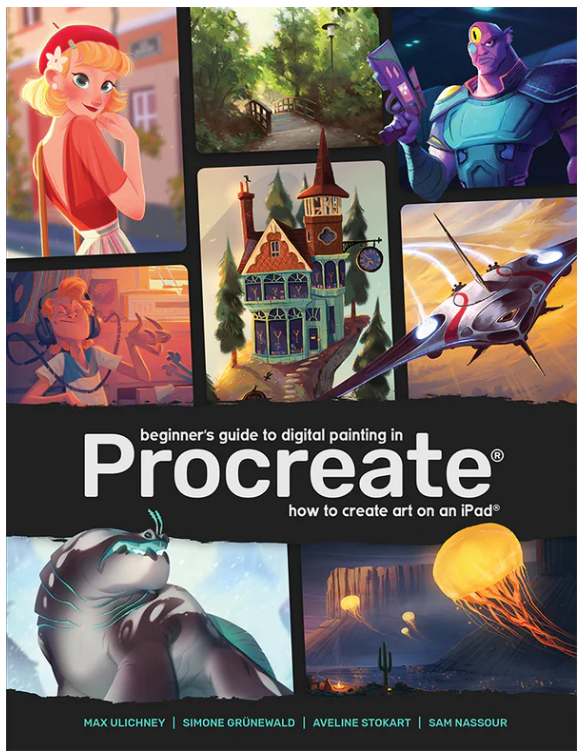
In this invaluable beginner’s guide, professional artists show you how to draw, paint, and sketch digitally, at home or on the go. Packed full of expert tips, diverse projects, and inspirational artwork, it unlocks the secrets of this affordable, versatile, and highly intuitive software. Exploring the creative potential of layer masks, blend modes, and how to create your own custom brushes, leading artists from across the concept art and illustration industries share eye-opening step-by-step tutorials to enable you to confidently create your own digital masterpieces.
Free download exhausted