



Update: BOA added 5 free video tutorials offered by Gareth David Studio
Month: December 2024
Digital Design Education Trends in 2025
The emergence of new tools and methodologies is reshaping classrooms and online platforms alike, creating exciting opportunities for aspiring designers.
With industries continually adapting to digital advancements, educational institutions are finding innovative ways to prepare students for a rapidly changing landscape. This dynamic environment allows creativity to flourish while equipping learners with essential skills for their future careers.
From immersive learning experiences to an increased focus on inclusivity, today’s digital design education reflects the diverse world we live in. Let’s delve into the emerging trends that are shaping this vibrant field and discover how they can impact aspiring designers across the globe.
Emerging trends in digital design education
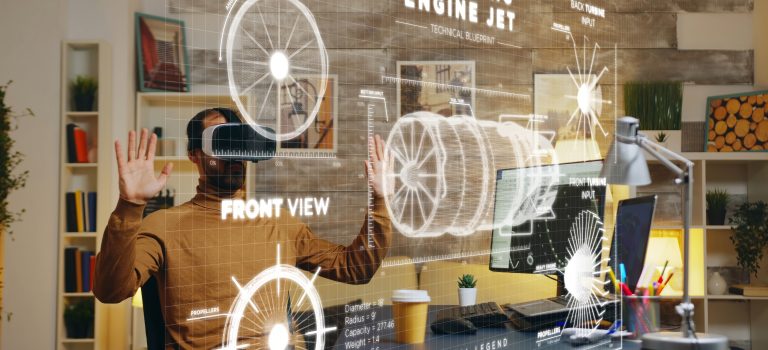
Digital design education is rapidly evolving. Innovative tools and platforms are reshaping how students learn. Virtual reality (VR) and augmented reality (AR) are becoming essential components in curriculum delivery, providing immersive learning experiences.
Moreover, online graphic design courses have skyrocketed in popularity. This shift allows flexibility for learners worldwide, breaking geographical barriers that once limited access to quality education.
Collaboration is another trend gaining traction. Students now work on real-world projects with industry professionals. This hands-on approach not only enhances skills but also boosts networking opportunities.
Sustainability has entered the conversation too. Design educators emphasize eco-friendly practices, encouraging future designers to adopt greener methodologies.
Artificial intelligence (AI) integration into design processes is a game-changer. Students explore how AI can assist in creativity while maintaining a human touch in their designs. These trends illustrate an exciting time for digital design education as it adapts to modern demands.
Traditional vs. Digital Design Education: The Shift towards Technology
Traditional design education has its roots in hands-on techniques and physical media. Students often spent hours perfecting their skills with pencils, paints, and paper. The tactile experience shaped creativity but lacked exposure to modern tools.
Now, we see a shift towards digital design education. Technology is transforming how students learn and create. Software applications like Adobe Creative Suite have become essential.
This transition also allows greater collaboration among peers across the globe. Virtual classrooms make it easier to share ideas in real-time, breaking geographic barriers that once limited connections.
Digital platforms provide instant feedback through interactive learning modules, enhancing engagement and understanding. As a result, educators are rethinking curricula to integrate these technologies effectively. Discover our bachelor degree in multimedia & communication.
The focus is on preparing students for a fast-evolving industry where adaptability is key. Embracing digital methods alongside traditional practices can create well-rounded designers ready for today’s challenges.
The Impact of Emerging Technologies on Digital Design Education
Emerging technologies are revolutionizing digital design education. Virtual reality (VR), visual communication and augmented reality (AR) offer immersive experiences that help students visualize their projects in a three-dimensional space.
Artificial intelligence is also reshaping the way designers approach problem-solving. AI tools can analyze vast amounts of data, guiding students toward innovative solutions. This technology encourages creativity while streamlining processes.
Online learning platforms expand access to resources like never before. Students can connect with industry experts worldwide, enhancing their skill sets through diverse perspectives.
Blockchain technology is making waves as well, particularly in areas like copyright protection for digital art. Understanding these developments prepares future designers for ethical challenges they may face in their careers.
As these technologies evolve, so too must the curriculum. Staying ahead means integrating new tools and techniques into educational frameworks, ensuring that graduates remain competitive in an ever-changing landscape.
Embracing Change for a Better Future in Digital Design Education
The landscape of digital design education is rapidly evolving. As technology advances, so do the methods and tools used to teach aspiring designers. Embracing these changes is not just beneficial; it’s essential for creating effective and engaging learning environments.
The shift toward integrating emerging technologies like virtual reality and artificial intelligence into curricula is preparing students for the future. This approach equips them for a workforce that demands adaptability and innovation. Traditional approaches may still hold value, but they cannot overshadow the importance of staying current with industry trends.
Diversity and inclusivity are becoming increasingly vital components in design education. Fostering an environment that values diverse perspectives cultivates creativity reflective of human experience.
As educators adapt their teaching strategies to include collaborative projects and hands-on experiences, students gain practical skills alongside theoretical knowledge. This combination enhances their readiness for real-world challenges.
Digital design education must continue to evolve alongside technological advancements. This commitment ensures that future designers are equipped with the necessary tools to thrive in an ever-changing environment. Embracing this dynamic nature will ultimately lead to a richer educational experience for all involved in the field of design.
BOA has enriched its “Reading List” section with “The Illustrator. The Best from around the World”
BOA has enriched its “Reading List” section with “The Illustrator. The Best from around the World” by Steven Heller and Julius Wiedemann. This book exalts the artistry, variety, vigor, wit, and brilliance of contemporary illustrators’ work.
The Illustrator. The Best from around the World by Steven Heller, Julius Wiedemann
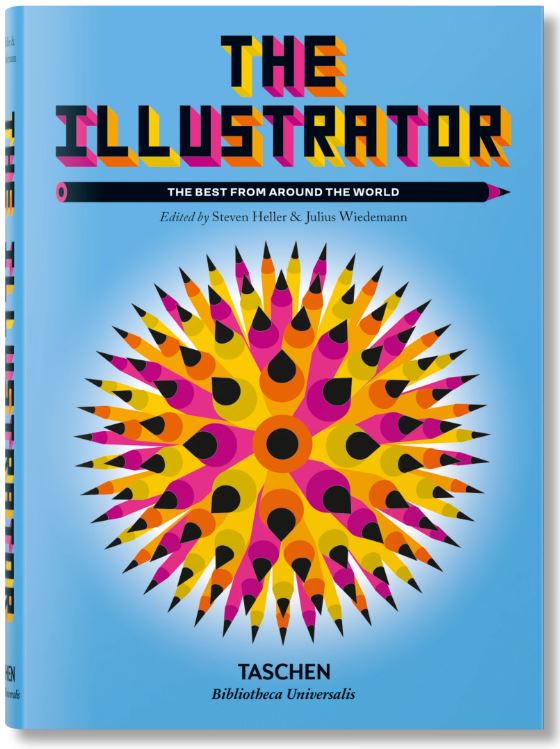
A global compilation of must-known artists.
For the last couple of years, Steven Heller and Julius Wiedemann have traced the latest developments in illustration around the globe—and for all those who thought digital heralded the end of an era, they’re here to set the record straight.
There were extraordinary eras before mass media changed our viewing habits, back in the day when illustration was the primary means of illuminating the word on paper—all the way to today, when we get our words and images on screens as small as a watch face. In this environment, today’s designers and artists are holding their own brilliantly. Illustration is more free and varied than ever, and it is ubiquitous in all kinds of media, from paper to screen to books, packages, clothing, cars, and restaurants.
This book celebrates the sheer quality, diversity, intensity, comedy, vivacity, and exceptionality of the work being created by illustrators right now. The artists in this collection are just the tip of the proverbial iceberg, but they represent a compelling snapshot of the styles, techniques, and use of color by artists around the world. We dare you to pick your favorites.
Gateways to Drawing: A Complete Guide Second Edition by Stephen CP Gardner

This book is designed to help students, whether they are in the studio or online, and whether they are art majors or not, from beginner to advanced drawing. It covers all aspects of drawing, from the basics of setting up the studio and choosing materials to self-critique and evaluating your drawings.
The book includes a wide range of full-color illustrations that will inspire you and showcase different art media and artists. You can use this book as a standalone resource or as part of a one- or two-semester course.
Free download exhausted
Update: BOA added 6 new online courses in Web Design offered by EduCBA
Update: BOA added 6 new online courses in Web Design offered by EduCBA
BOA posted a review of the book “Homes for Our Time. Contemporary Houses around the World”
BOA posted a review of the book “Homes for Our Time. Contemporary Houses around the World”. The author, Philip Jodidio, illustrates the evolution of today’s global architecture—from Samira Rathod’s House of Concrete Experiments in India to Tetro’s Açucena House in Brazil, which adapts to its natural terrain.
Homes for Our Time. Contemporary Houses around the World. Vol. 3
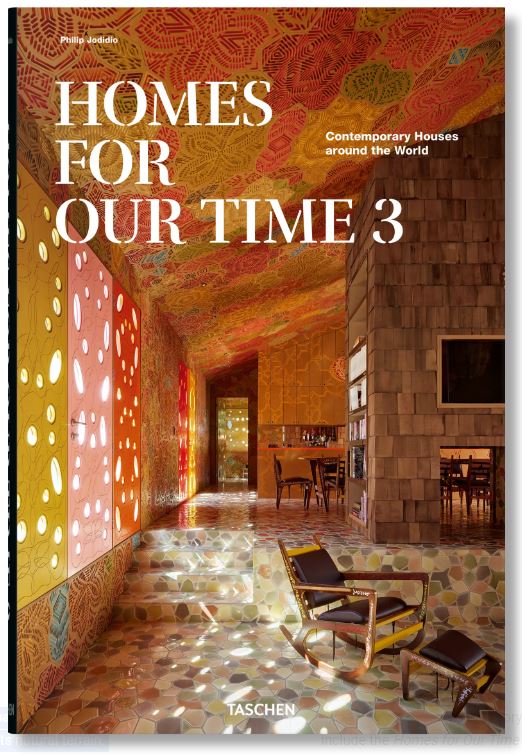
Author: Philip Jodidio
Peeking behind the scenes of innovative homes, Philip Jodidio illustrates the evolution of today’s global architecture—from Samira Rathod’s House of Concrete Experiments in India to Tetro’s Açucena House in Brazil, which adapts to its natural terrain.
The houses featured in this book may be the first full generation to take advantage of the ubiquity of computing power—from design to fabrication—yet this high-tech approach has in no way diminished their variety and originality. In Italy, Mario Cucinella built TECLA – Technology and Clay, a 3D-printed house created entirely with raw earth. The unique house, printed in 200 hours with 60 cubic meters of natural materials, unveils potential low-cost, environmentally responsible approaches to architecture. In Hyderabad, India, Kanan Modi designed her House of Gardens not only to diffuse and reduce heat within the structure but also to invite the beauty of nature indoors—both essential in the face of rising temperatures and increasing urbanization.
These forward-thinking buildings were designed by capitalizing on technological advances such as video conferencing and 3D printing, fostering inventiveness and imagination, and yielding sustainable, site-specific homes. Atelier Bow-Wow virtually directed the construction of their Peninsula House on the Greek island of Antiporos during the COVID-19 pandemic; Mariko Mori’s Yuputira unifies her artistic and architectural aesthetics; and Anne Fougeron’s Suspension House breathes new life into a remarkable natural setting.
Detailing 59 cutting-edge projects from 25 countries—ranging from Guatemala and Slovenia to Norway and Vietnam—the third volume of the Homes for Our Time series takes readers on an illustrated visit of contemporary architectural gems, discovering the architects who are driving change in the field now, and in the future. These homes are the beating heart of creativity that will inspire architecture for decades to come.
Find out more about Homes for Our Time. Contemporary Houses around the World. Vol. 3 →