




Update: BOA added 6 free video tutorials offered by The Futur
Month: February 2024

Why a Mobile Learning Platform is Essential in the Digital Age. Pt.1?
In the fast-paced digital age, traditional learning methods are being revolutionized by the advent of mobile learning. Mobile learning, also known as mLearning, refers to the use of mobile devices such as smartphones and tablets to access educational content anytime and anywhere. This flexibility has made a mobile learning platform an increasingly popular choice for both individuals and organizations. With the ability to learn on the go, learners can acquire knowledge at their own pace, making education more accessible and convenient than ever before.
Benefits of Mobile Learning in the Digital Age
The digital age has brought with it a myriad of benefits for learners, and mobile learning is no exception. One of the key advantages of mobile learning is its ability to cater to the individual needs and preferences of learners. With a mobile learning platform, learners have the freedom to choose the content and learning materials that best suit their interests and learning styles. This personalized approach not only enhances the learning experience but also increases engagement and motivation.
Another significant benefit of mobile learning in the digital age is its flexibility. Learners are no longer bound by time or location constraints. They can access learning materials at their own convenience, whether it’s during their daily commute or while waiting for a meeting. This flexibility allows individuals to optimize their learning time and fit education into their busy schedules. Additionally, mobile learning platforms often offer interactive features such as quizzes, simulations, and gamification, which further enhance the learning experience and make it more enjoyable.
Mobile Learning Statistics
The rise of mobile learning is not just a passing trend; it is a significant shift in the way we acquire knowledge. According to recent statistics, the global mobile learning market is expected to grow at a CAGR of 21.5% from 2021 to 2028. This growth can be attributed to the increasing adoption of mobile devices and the growing demand for flexible learning solutions. Furthermore, a survey conducted by Deloitte found that 70% of learners feel that mobile learning helps them acquire knowledge faster, while 72% believe that it improves their performance and productivity.
The Rise of Mobile Learning Platforms
As the demand for mobile learning continues to increase, so does the need for effective mobile learning platforms. A mobile learning platform serves as a central hub where learners can access educational content, interact with instructors and peers, and track their progress. These platforms often leverage technology such as cloud computing and artificial intelligence to deliver a seamless learning experience across different devices.
Key Features of a Mobile Learning Platform
A crucial component of a mobile learning platform. It provides the infrastructure for organizing and delivering educational content. Some key features of a mobile learning platform include:
- Content Management: Allows instructors to upload, organize, and update learning materials such as videos, documents, and quizzes.
- User Management: Enables administrators to create and manage user accounts, track learner progress, and generate reports.
- Mobile Compatibility: Should be compatible with various mobile devices and operating systems to ensure seamless accessibility.
- Interactive Learning: Should offer interactive features such as discussion forums, virtual classrooms, and gamification to enhance learner engagement.
By The Team at Inkling
Circular Economy Masterclass: Build a Sustainable Future
The way we design, produce, and dispose of products is no longer sustainable. The linear economy — take, make, waste — is fueling climate change, resource depletion, and pollution at an accelerating rate. But there is a better way forward.
Welcome to the Circular Economy Mastery Course — your complete guide to building sustainable systems, future-proofing your business, and creating value without waste.
Whether you’re a sustainability professional, entrepreneur, designer, policymaker, or simply curious about building a greener future, this course will give you the knowledge, tools, and confidence to lead change. No prior experience is required — just a willingness to think differently.
In this course, you’ll learn how to:
- Understand the core principles of the Circular Economy and how it differs from recycling and traditional sustainability models
- Explore foundational frameworks like the Butterfly Diagram, Cradle-to-Cradle, and systems thinking
- Identify and apply circular business models such as product-as-a-service, closed-loop systems, and reverse logistics
- Analyze real-world case studies from industries like fashion, food, electronics, and construction
- Use practical tools to design waste out of systems, implement life cycle thinking, and measure circular impact
- Build a personalized circular action plan for your business, organization, or sector
This isn’t just a theory course. It’s action-oriented, insight-packed, and designed to help you create real-world change. You’ll get access to templates, strategy guides, and exercises that help turn knowledge into results.
Who is this course for?
- Business leaders, entrepreneurs, and innovators seeking sustainable advantage
- Designers, engineers, and developers looking to create circular products and services
- Students and educators in sustainability, environmental science, or business
- NGO workers and policymakers building circular strategies
- Anyone passionate about redesigning our economy for a better future
ENROLLMENT IS OVER
Steal Like an Artist: 10 Things Nobody Told You About Being Creative by Austin Kleon
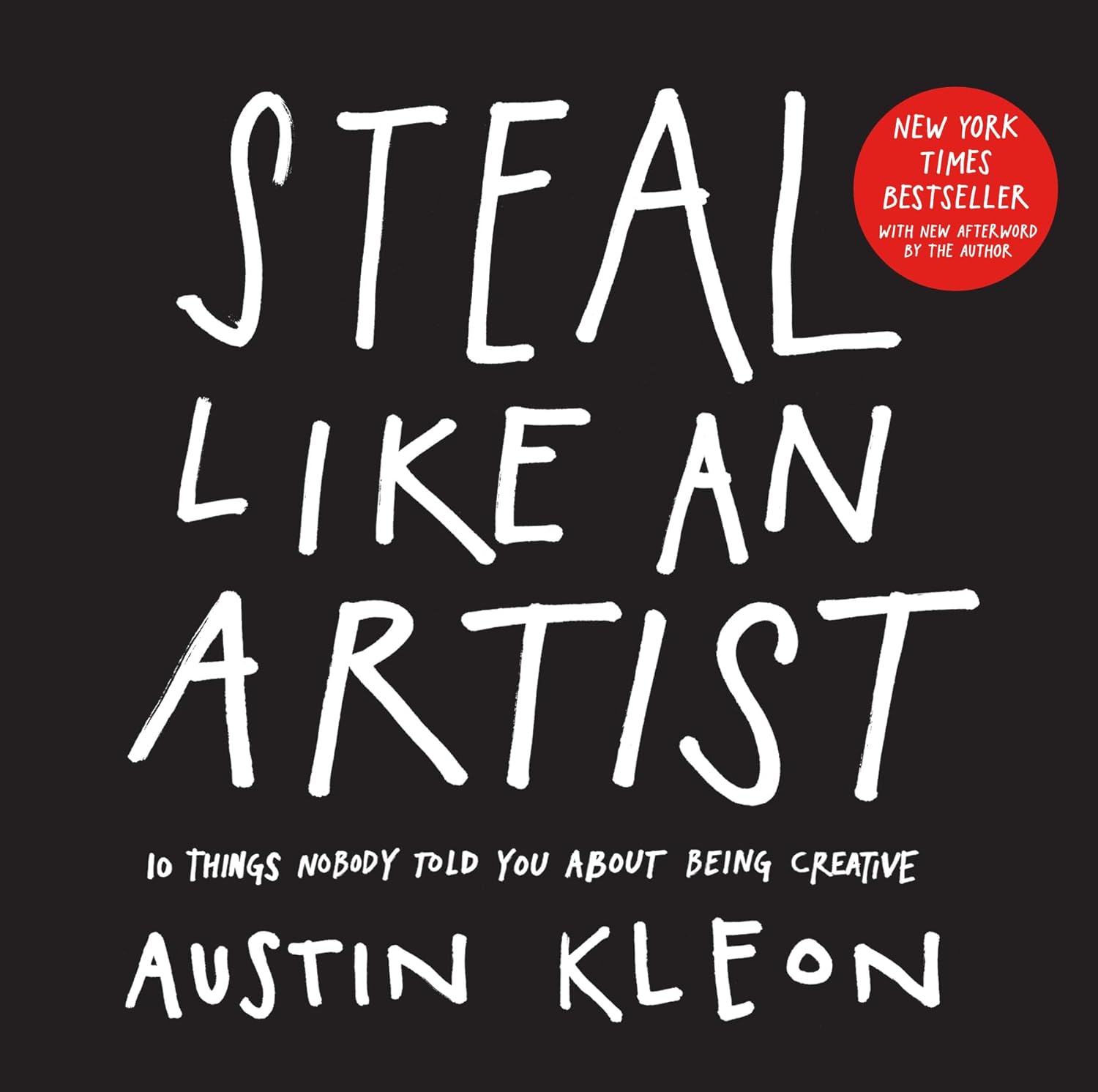
Artist Austin Kleon’s beautifully illustrated bestseller teaches readers how to use their surroundings and their own creativity to discover their own artistic paths. Filled with clever infographics and words of wisdom from Kleon, and peppered with quotes from other successful artists, Steal Like an Artist, is an inspiration for both veteran and aspiring artists everywhere.
Unlock your creativity.
An inspiring guide to creativity in the digital age, Steal Like an Artist presents ten transformative principles that will help readers discover their artistic side and build a more creative life.
Nothing is original, so embrace influence, school yourself through the work of others, remix and reimagine to discover your own path. Follow interests wherever they take you-what feels like a hobby may turn into your life’s work. Forget the old cliché about writing what you know: Instead, write the book you want to read, make the movie you want to watch. And finally, stay Smart, stay out of debt, and risk being boring in the everyday world so that you have the space to be wild and daring in your imagination and your work.
Update: BOA added 7 new online courses in Animation by LinkedIn Learning
Update: BOA added 7 new online courses in Animation by LinkedIn Learning
A View from the Top

Author: Mike Kelley
The photography collected in A View from the Top may have arisen out of a desire to document a singular body of work—the Viewpoint Collection.
Through Kelley’s eye, lens, and postproduction choices, however, it advances the very way that buildings can be photographed and understood, allowing us to visit residences that most of us will never see in person. The photographs also demonstrate that these projects are quintessentially Californian. Their emphasis on open plans, airy modernism, the indoor-outdoor relationship, natural textures and color-palette, and an intensive attention to landscaping are also quintessentially Los Angeles. The buildings—which are the creations of some of the world’s most renowned architects—are inspired and inspiring. They are luxurious, aspirational, and visually exciting. The book is both a valuable contribution to architectural history and a pleasure to read.
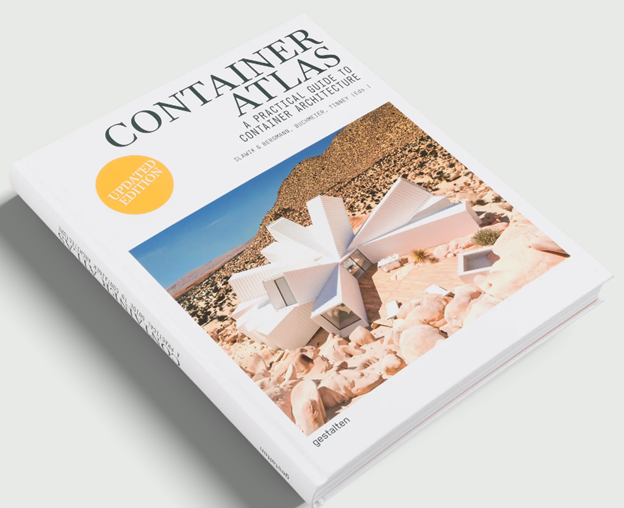
Container Atlas. A Practical Guide to Container Architecture
Editors: gestalten & Professor Han Slawik
Container architecture has become an essential part of our twenty-first century surroundings, with it being used to create modular structures for pavilions, brand showrooms, retail premises, and even residential homes. Ten years after the first publication of Container Atlas, this eagerly anticipated follow-up charts how this movement has evolved into an essential part of today’s architectural vocabulary. Container Atlas serves as a practical and inspirational reference not only for architects and engineers, but also for all creatives eager to learn about the rich and diverse language of container architecture and modular building.
Free download exhausted

Four AI Tactics for Learning & Development Pt.2
3. Continuous Learning Analytics
The third major trend in generative AI for Learning and Development revolves around the integration of continuous learning analytics. Traditional assessments and evaluations often fall short of providing real-time insights into learners’ progress and performance. Generative AI is changing this landscape by offering dynamic analytics that adapt to the evolving nature of skills and competencies. Through continuous learning analytics, AI algorithms track and analyze every interaction a learner has with educational content. This includes the time spent on each module, the accuracy of responses, and even the emotional cues exhibited during the learning process. This wealth of data allows organizations to gain deep insights into individual and collective learning patterns.
With continuous learning analytics, corporate training programs leveraging AI can not only assess knowledge acquisition but also identify potential areas of employee stress or disengagement. By recognizing patterns associated with reduced motivation or comprehension, generative AI can trigger interventions such as suggesting personalized breaks or incorporating gamified elements to rekindle enthusiasm.
Furthermore, organizations can leverage continuous learning analytics to make data-driven decisions about the efficacy of training programs. By identifying high-performing content and refining areas that need improvement, businesses can ensure that their L&D initiatives align with organizational objectives and contribute to overall success.
4. Dynamic Content Development
In the dynamic landscape of Learning and Development, where adaptability and relevance are paramount, generative AI is emerging as a transformative force in learning content generation. This innovative application of Artificial Intelligence is redefining how educational materials are created, offering unprecedented levels of customization, efficiency, and adaptability.
Generative AI leverages advanced algorithms to analyze vast datasets, discern patterns, and generate content tailored to individual needs. One of its primary contributions lies in addressing the diverse learning styles and preferences of individuals. Traditional content generation often follows a standardized approach, neglecting the unique requirements of learners. Generative AI, however, thrives on personalization. By understanding the nuances of individual learning journeys, it crafts content that aligns with each learner’s pace, preferences, and comprehension levels.
Furthermore, generative AI enables the rapid creation of diverse and engaging learning materials. Instructional Designers can now use generative AI to develop various types of content components for engaging learning modules, including text, images, voiceovers, and music and video content, ensuring a rich and dynamic learning experience. Leveraging generative AI thoughtfully and carefully accelerates the content creation process, cuts costs, incorporates personalized learning content for each learner, and enhances the overall quality and relevance of Learning and Development resources.
Conclusion
As we examine the Learning and Development landscape in 2024, the influence and impact of generative AI are unquestionable. The fusion of personalized learning paths, immersive experiences, continuous learning analytics, and bespoke content development is reshaping the way learners acquire and apply knowledge. This dynamic synergy between Artificial Intelligence and education holds the potential to unlock unprecedented levels of efficiency, engagement, and effectiveness in the pursuit of continuous learning. Looking ahead, we predict these four generative AI trends and present them for the consideration of Learning and Development organizations, so they are better equipped to navigate the ever-evolving demands of the knowledge-driven future.
Author: Dr. Marina Theodotou