




Update: BOA added 7 new online courses in Design, Game Design and Web Design offered by Simpliv LLC, EduCBA, Packt Publishing and Stone River eLearning
An Alternative History of Photography by Phillip Prodger (Photographer)

As inclusive, dynamic and exciting as the medium itself, this utterly original look at the history of photography integrates the landmark discoveries of recent decades to chart new pathways that encompass overlooked artists, traditions, and techniques. The real history of photography is a vast collection of inter-connected stories. It parallels acknowledged greats with forgotten masters and lesser-known works with regional champions. It is a complex interplay of fine art, scientific, anthropological, documentary, and amateur traditions forged by women and men alike.
It contains many rarities and “firsts” and spans photography’s early decades with linchpin works by Sir John Herschel, William Henry Fox Talbot, Hippolyte Bayard, and Julia Margaret Cameron.
Contemporary in outlook, visually captivating, and with contributions from leading curators and photo historians, this book will prove essential reading for those looking for an introduction to the field, as well as informed readers looking for more complete knowledge.

BE OPEN: The Pros and Cons of Using AI In Learning: Is ChatGPT Helping or Hindering Learning Outcomes? Pt.2
AI has the potential to revolutionize learning, with opportunities in personalized learning and grading. However, challenges include the fear of job loss for teachers and the potential for bias in AI algorithms. It’s important to strike a balance between the benefits and challenges of AI in learning, recognizing that AI is a tool to enhance learning, not a replacement for human teachers. ChatGPT, for example, can be a helpful tool in supplementing learning, but it’s crucial to remember its limitations and the need for human interaction in education.
Educators need to be mindful of the limitations of AI and use it appropriately, while learners need to develop skills to navigate AI-based learning tools effectively. AI has the potential to transform education, but it must be used ethically, transparently, and with consideration for learners and educators alike. ChatGPT is just one example of the many AI tools available, and its role should be carefully considered in the context of each learning environment.
The Advantages of Using ChatGPT in Learning
The use of ChatGPT in learning has several advantages that have been observed in recent times. ChatGPT can:
- Support personalized learning in a way that was previously impossible.
Unlike human teachers who may have limited time and resources, ChatGPT can engage with learners individually, giving them a unique learning experience that is tailored to their needs and interests. - Provide learners with immediate feedback, which is essential for effective learning.
ChatGPT can quickly identify areas where learners are struggling and provide them with additional support to help them overcome these challenges. This immediate feedback can help learners stay motivated and engaged in their learning journey. - Also provide learners with access to vast amounts of information that they may not have had access to otherwise.
This can help learners expand their knowledge base and discover new information that they may find useful in their academic or professional pursuits. - Help reduce the workload of teachers and educators.
This would free up their time to focus on other important tasks such as lesson planning, grading, and providing additional support to learners who may need more personalized attention.
Overall, the use of ChatGPT in learning has several advantages that can help enhance the learning experience for students. However, it is important to note that there may also be some disadvantages to using this technology, which should be carefully considered before implementation.
The Limitations of Using ChatGPT in Learning
ChatGPT, as a machine-based tool, has limitations in the context of learning. It may struggle with unique or complex situations, lack the ability to adapt to individual learning styles, and may not provide critical thinking or problem-solving skills. Additionally, ChatGPT’s responses may be biased if the dataset it relies on is biased, leading to the potential reinforcement of biases or stereotypes.
Another limitation is the potential for decreased engagement and motivation among learners when interacting with a machine instead of a human. The lack of real-time feedback and interaction may lead to a sense of isolation or disconnection from the learning process.
It is crucial to recognize that ChatGPT is not a substitute for human teachers or peers. While it can provide support and assistance, it cannot replicate the human element of teaching, which includes empathy, creativity, and adaptability to unique learning needs.
To mitigate these limitations, ChatGPT should be used in conjunction with other teaching methods and tools, and educators should actively monitor and address potential biases in its responses. It is essential to consider the limitations of ChatGPT and use it appropriately to supplement, rather than replace, human interaction and engagement in the learning process.
The Ethical Considerations of Using AI In Learning
The use of AI in learning raises ethical concerns that must be addressed. Bias in algorithms used by AI is a significant concern, as incorrect programming can result in biased outcomes or the promotion of certain ideologies without transparency. Another concern is the potential for AI to replace human teachers, as human interaction, guidance, and support are crucial for students’ development. Data privacy and security are also concerns, as the collection and use of student data must be ethical and transparent.
Educators and policymakers must carefully consider these ethical considerations when implementing AI in learning. Transparency and accountability are essential in ensuring that AI is used in a manner that benefits students and does not harm them. The ultimate goal should be to enhance the learning experience and improve learning outcomes, rather than replacing human teachers or compromising student privacy and security. Students must be informed about the data being collected, how it is used, and who has access to it. It is imperative to prioritize the ethical use of AI in learning to ensure that it serves the best interests of students and upholds their rights and privacy. By Robin T. Greene-Harper
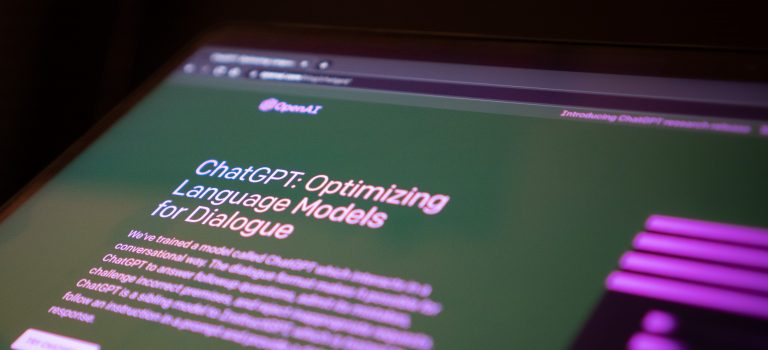
BE OPEN: The Pros and Cons of Using AI In Learning: Is ChatGPT Helping or Hindering Learning Outcomes? Pt.1
Artificial Intelligence (AI) has been making waves in various industries, and the education sector is no exception. In recent years, AI has found its way into learning, providing students with personalized learning experiences and teachers with powerful tools to track student progress and adapt their teaching methods. AI-based learning platforms, like ChatGPT, have gained popularity due to their ability to engage students in a conversational manner, similar to that of a human tutor. The use of AI has also been praised for its potential to improve learning outcomes by providing students with more efficient and effective ways to learn. However, with the rise of AI in learning, there are also concerns about the potential negative impact it could have on students. Some experts argue that AI-based learning platforms could hinder critical thinking skills and reduce human interaction, which is an essential aspect of learning.
We will explore the pros and cons of using AI in learning, specifically focusing on the ChatGPT platform. We will examine the potential benefits of AI in learning, including personalization and efficiency, as well as the potential drawbacks, such as the lack of human interaction and the potential negative impact on critical thinking skills. By the end of this article, you will have a better understanding of the impact of AI on learning outcomes, and whether ChatGPT is helping or hindering student learning.
The Benefits of Using AI In Learning
The use of Artificial Intelligence in learning has numerous benefits. AI can personalize learning by tailoring lessons to individual student’s needs, providing immediate feedback, and offering guidance. Chatbots like ChatGPT can engage students, answer their questions, and keep them motivated. Additionally, AI can collect and analyze data on student performance, enabling educators to make informed decisions about teaching methods and curriculum improvements.
The potential benefits of AI in learning are significant, with the ability to revolutionize teaching and learning processes. Despite challenges, such as bias and limitations in individualized learning, the potential benefits make AI a promising tool for educators to consider. AI in learning has the potential to enhance the educational experience, improve learning outcomes, and support student success.
The Challenges of Using AI In Learning
AI has the potential to revolutionize learning, but challenges need to be addressed. Bias in AI models, lack of personalization, the potential for errors, and fear of job loss for teachers are among the challenges. AI models can perpetuate biases if trained on biased data, and they may struggle with individualized learning needs.
Errors in AI recommendations or feedback can impact learning outcomes. Additionally, there are concerns about the replacement of human teachers by AI. It is crucial to address these challenges to ensure that AI in learning enhances outcomes and benefits learners. Careful consideration and ethical use of AI are necessary to mitigate biases, improve personalization, minimize errors, and ensure that AI complements human teachers rather than replacing them.
What Is ChatGPT and How Does It Work?
ChatGPT is an AI chatbot that uses the GPT model to provide responses to user input in natural language. It can be used in various learning contexts, such as language learning and test preparation, to provide personalized feedback and practice opportunities. The chatbot analyzes user input and generates responses based on its understanding of the user’s needs and goals. It can provide explanations, examples, and exercises tailored to the user’s level and needs.
However, ChatGPT has limitations, including difficulties in understanding complex or ambiguous input, and its responses may be limited by its programming and data input. Some learners may prefer human interaction over interacting with a chatbot. Overall, ChatGPT can be a useful tool for learning, but its effectiveness depends on the context and individual learner preferences. Careful consideration of the pros and cons of using AI in learning is recommended before incorporating ChatGPT or other chatbots into educational practices. By Robin T. Greene-Harper
Update: BOA added 8 free video tutorials on Photoshop offered by Gareth David Studio
Update: BOA added 8 free video tutorials on Photoshop offered by Gareth David Studio
Visual Thinking: The Hidden Gifts of People Who Think in Pictures, Patterns, and Abstractions
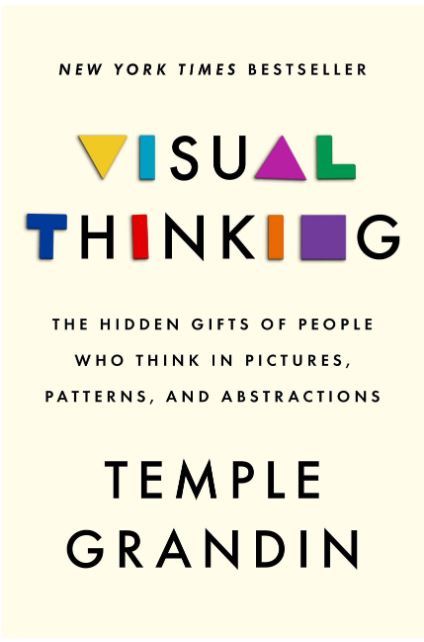
Author: Temple Grandin
A quarter of a century after her memoir, Thinking in Pictures, forever changed how the world understood autism, Temple Grandin— “an anthropologist on Mars,” as Oliver Sacks dubbed her—transforms our awareness of the different ways our brains are wired. Do you have a keen sense of direction, a love of puzzles, the ability to assemble furniture without crying? You are likely a visual thinker.
With her genius for demystifying science, Grandin draws on cutting-edge research to take us inside visual thinking. Visual thinkers constitute a far greater proportion of the population than previously believed, she reveals, and a more varied one, from the photo-realistic “object visualizers” like Grandin herself, with their intuitive knack for design and problem solving, to the abstract, mathematically inclined “visual spatial” thinkers who excel in pattern recognition and systemic thinking. She also makes us understand how a world increasingly geared to the verbal tends to sideline visual thinkers, screening them out at school and passing over them in the workplace. Rather than continuing to waste their singular gifts, driving a collective loss in productivity and innovation, Grandin proposes new approaches to educating, parenting, employing, and collaborating with visual thinkers. In a highly competitive world, this important book helps us see, we need every mind on board.
Art and Design Fundamentals by Steven Bleicher (Author)
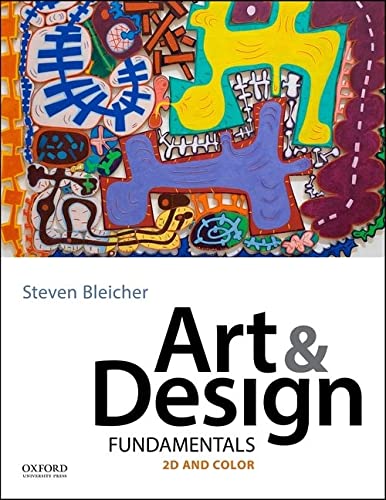
Written for visual learners, Art and Design Fundamentals offers thorough yet succinct coverage of both traditional topics and new technologies. Details are crucial to Art and Design Fundamentals; diverse visual examples highlight new perspectives, encourage cultural awareness, and support an equal emphasis on male and female artists. Students and professors alike will appreciate its logical organization, recommended projects, and resources that encourage detailed image analysis and illustrate how art and design principles and elements work together. Art and Design Fundamentals’ robust suite of digital resources and wealth of projects help students hone the skills they need to produce exceptional work in a dynamic field.
Update: BOA added 7 new online courses in Graphic Design, Interior Design, Web Design, UX/UI Design and Architecture offered by Simpliv LLC, Skill Success, Benchmarq Limited and EduCBA
Update: BOA added 7 new online courses in Graphic Design, Interior Design, Web Design, UX/UI Design and Architecture offered by Simpliv LLC, Skill Success, Benchmarq Limited and EduCBA
Update: BOA added 7 free video tutorials offered by FZDSCHOOL
Update: BOA added 7 free video tutorials offered by FZDSCHOOL

BE OPEN: Digital Collaboration of Technology in Educational Sector Pt.2
eLearning leads to improving collaboration and engagement, incorporating different learning styles and connecting the educators with their students. The government also actively participates with several policies to boost digital education. The accessibility and affordability of the internet provide access to education to a large audience and leads to the great advances in eLearning education.
Advantages Of Technology in Education
With the collaboration of technology in our education system, learning becomes more interactive, engaging, and motivating. It has benefited students as well as teachers in many ways as it expands access to education. Using technology, students have easy access to information, accelerated learning, and fun opportunities to practice what they learn. It allows students to discover new subjects and gain a deeper understanding of difficult concepts.
Students are actively involved and participating. Utilizing eLearning leads to better retention of knowledge and higher productivity, and also develops a social platform for learners, establishing a positive environment. Meanwhile, it also transforms the way educators teach and students engage in eLearning classes.
1. Individual Learning Experience
With traditional education, it can become difficult for individual students sometimes to keep abreast with the class. But eLearning platforms can provide them with an individual learning experience, and also increase their engagement, encouraging them to learn at their own pace. Students can learn from any eLearning platform individually.
2. Unlimited Information
The emergence of eLearning makes students explore a vast amount of information to seek the knowledge in which they are interested. There are no boundaries set for their interest. They get unlimited access to information.
3. Innovative Learning
To help students, teachers are using more tech-savvy methods to make learning more innovative and interesting. Teachers provide study material to their students and guide them according to their ability with various eLearning methods.
4. Digital Update
The internet is a vast storage space full of information, technology, and data and thus individuals can fall behind this ever-evolving information and technology. But with the help of technology, everyone can keep digitally updated.
5. Time Saving
eLearning can save a lot of time by sharing and preserving information. Instead of making handmade notes, teachers and students can easily make and share their notes digitally in the cloud instead.
6. Individual Interaction
Face-to-face interaction takes place with the educators and thus empowers students to reach their goals. Students and educators get one-to-one interaction on eLearning platforms.
7. Personalized Learning Experience
The benefit of technology has added the benefit of being able to learn from anywhere, at any time. It has allowed students access to educational resources 24/7. Teachers are also able to generate classes for students based on their strengths and interests. If students have any questions about a particular concept, they can also review the lesson for better understanding.