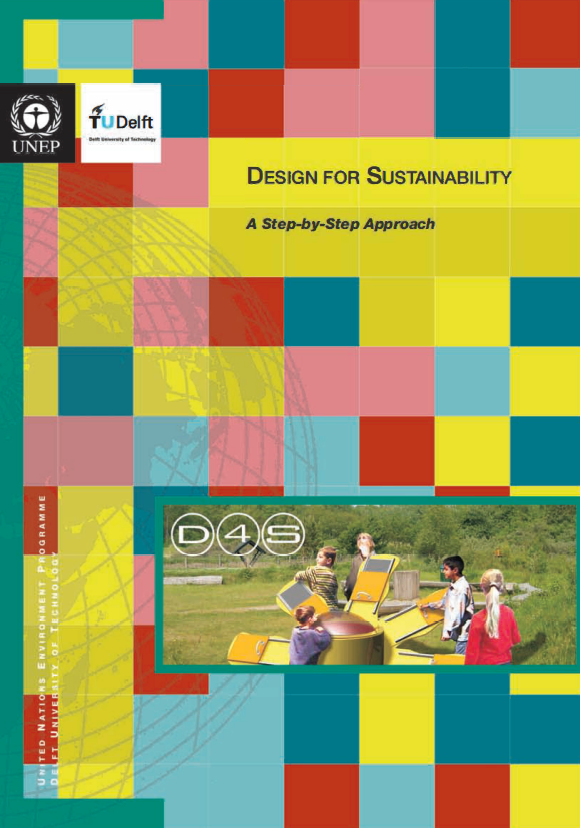
Design for Sustainability: A Step-by-Step Approach

Authors: UNEP, Delft University of Technology, international D4S experts

Design for Sustainability: A Step-by-Step Approach is the latest in the D4S publication series. A global guide for designers and industry, it provides support to ecodesign novices and those looking to further their understanding of the field. The manual focuses on three different design approaches: redesign of existing products, radical sustainable product innovation and new product development. An additional section acts as a comprehensive ‘how-to’ guide for first time users.

Online materials – including case studies, additional design and management tools and worksheets – compliment the print version. The manual is the result of a long term partnership between UNEP, Delft University of Technology and international D4S experts from the Netherlands, Sweden, Italy, France, Germany, Japan, and Australia, with support from UNIDO, the Swedish EPA, and in Went, Germany.

Free download →

The Benefits of Design Education: Unleashing Creativity and Innovation (Pt.3)

The Benefits of Design Education: Unleashing Creativity and Innovation (Pt.3)

Embracing Technology and Digital Transformation

In today’s digital age, technology plays a pivotal role in design. Design education equips students with the digital skills necessary to leverage technology effectively. From mastering design software to understanding the principles of user experience (UX) and user interface (UI) design, students are prepared to thrive in a digital-first world.

Additionally, design education explores the emerging fields of virtual reality (VR), augmented reality (AR), and artificial intelligence (AI). Students are exposed to the potential of these technologies in enhancing user experiences, creating immersive environments, and solving complex problems. By embracing technology, designers stay at the forefront of innovation and adapt to the ever-evolving digital landscape.

The Economic Impact of Design Education

Design education not only benefits individuals but also contributes significantly to the economy. The design industry, spanning various sectors such as advertising, fashion, and product design, generates substantial revenue worldwide. According to the World Design Organization, the global design industry was valued at $162 billion in 2020, with a projected annual growth rate of 3.5% between 2021 and 2027.

Design-driven companies like Apple, Nike, and Airbnb have achieved tremendous success by prioritising design excellence. These companies understand the value of design in enhancing user experiences, driving brand differentiation, and ultimately increasing market share. Design education is crucial in supplying these companies with a talented pool of designers who contribute to their success.

Benefits of Design Education in the Future

As we step into an ever more intricate and interconnected world, the demand for design education is set to soar. It’s becoming increasingly apparent that creativity, originality, and critical thinking will be indispensable skills in the future job market, as highlighted in the World Economic Forum’s insightful “Future of Jobs” report. This means that design education is pivotal in equipping individuals with these sought-after abilities, positioning them for success in an ever-evolving professional landscape.

However, the impact of design education goes far beyond preparing individuals for future employment. It holds immense potential to tackle pressing societal challenges head-on, ranging from sustainability and social inequality to healthcare. By infusing design principles into various domains, we can develop solutions that serve their intended purpose and promote environmental friendliness and social inclusivity. In essence, design education empowers individuals to become catalysts for positive change within their communities and globally.

Consider the realm of sustainability, for instance. Design education allows individuals to think holistically and consider the environmental impact of their creations. By encouraging sustainable practices, materials, and manufacturing techniques, designers can contribute to a greener, more eco-friendly future. Whether designing energy-efficient buildings, creating innovative renewable energy solutions, or crafting sustainable products, design education plays a pivotal role in shaping a sustainable society.

Social inequality is another area where design education can make a substantial difference. By instilling principles of inclusivity, accessibility, and human-centred design, designers can create solutions that address the needs of marginalised communities and bridge societal gaps. Whether designing public spaces accessible to people with disabilities, developing educational tools that cater to diverse learning styles, or creating affordable housing solutions, design education equips individuals with the skills to promote social equity and inclusion.

Furthermore, design education holds the potential to revolutionise healthcare. Integrating design thinking into healthcare systems and processes can enhance patient experiences, improve healthcare delivery, and even shape medical breakthroughs. Designers can collaborate with healthcare professionals to create intuitive interfaces for medical devices, design patient-centric healthcare facilities that prioritise comfort and well-being, and develop innovative medical technologies that save lives. Design education empowers individuals to use creative problem-solving skills to reimagine and improve healthcare approaches.

Conclusion

Design education empowers individuals with the skills, mindset, and creativity needed to thrive in today’s world. Designers can create meaningful solutions that address societal needs by fostering collaboration, critical thinking, and innovation. As we embrace digital transformation and navigate future challenges, design education will continue to play a pivotal role in shaping a better, more sustainable world. Whether you aspire to become a designer or appreciate the power of design, investing in design education is an investment in our collective future.

So, let us embrace the power of design education and unleash our creative potential to drive innovation, solve complex problems, and create a brighter tomorrow.

Written By Stuart Crawford
GLOBAL FUTURES OF CLIMATE

GLOBAL FUTURES OF CLIMATE

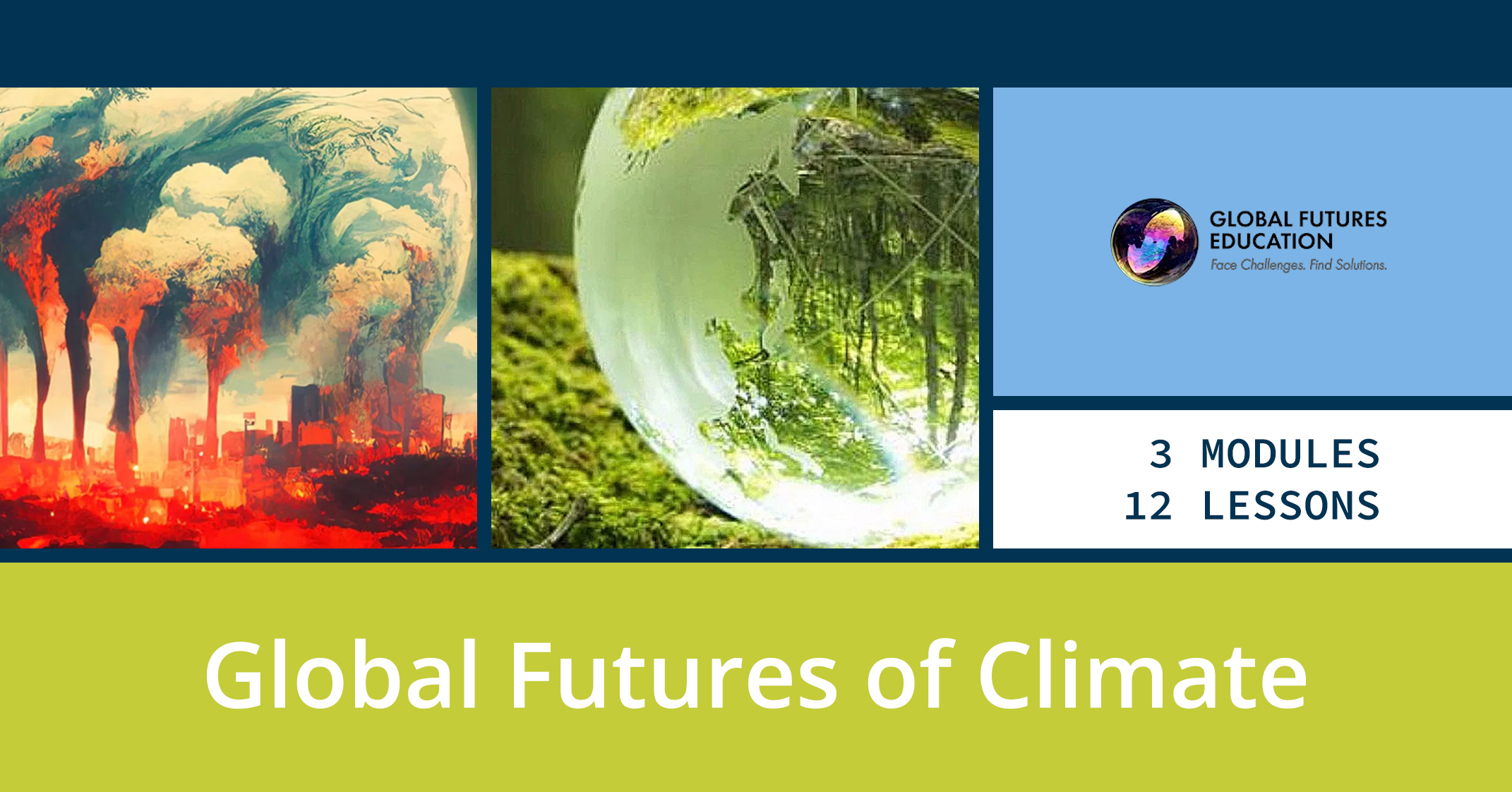
“Global Futures of Climate” is the first Course in the series on Global Systems designed for individuals and organisations committed to facing global challenges and finding solutions.

Course Content includes 12 Lessons across 3 Modules:

  1. Climate Change
  2. Energy Systems
  3. Ecosystem

There are two lessons in each, examining the challenges, and addressing the alternatives. This self-paced, web-based Course is incredibly well researched to give you a deep understanding of our emerging world and provides a solid basis for you to build your personal, professional, and family futures.

Why you should take this course:

  • Learn from Professor Jennifer Gidley’s valuable expertise gained from 30 years’ experience as an international futures consultant at the highest levels of global thinking into the complexity and wide impacts of Climate Crisis, Energy Systems and Ecosystem collapse
  • Join an international cohort of futures-ready citizens informed about the real challenges of climate change and how to find solutions
  • Be empowered to appreciate and implement the wide range of solutions available to mitigate and adapt to climate crisis; reduce emissions through new energy systems; and rebuild ecosystems through regenerative agriculture and ocean practices
  • Boost your career opportunities at a time when most corporations are beginning to realise they need to be climate literate
  • Learn how solutions offered align with the UN Sustainable Development Goals (SDGs)
  • Receive a Certificate of Completion (Global Futures of Climate)
  • Continuing Professional Development (CPD) – 30 Points

To enroll, please contact info@beopenfuture.com

Looking at Photographs

Looking at Photographs

Author: Laurent Jullier

A new introductory guide to the art of looking at and engaging with photography.

Photographs, even the most iconic, often have something seemingly obvious about them. They appear to represent the “real” world and our first instinct is that they can be easily interpreted, which is not always the case with paintings. But this sense of familiarity with photography can lead to ambiguities. Looking at Photographs outlines key approaches to help us understand why a photograph captures our attention and moves us. This introductory reference is structured to help you develop new and more in-depth ways of looking at images, whether as a viewer or practitioner—or just out snapping with your smartphone.

Everything counts in a good photograph, even down to the smallest details. Across seven chapters, visual culture expert Laurent Jullier discusses themes and concepts that are essential to understanding the medium, including photography as a reflection of reality; manipulation and defamiliarization; focus, perspective, and space; time and the moment; identity, portraits, and selfies; and the power of images.

With examples drawn from across the world and throughout the history of photography, from Louis Daguerre to Julia Margaret Cameron, László Moholy-Nagy, Dorothea Lange, Andreas Gursky, Hiroshi Sugimoto, Dayanita Singh, Eva Woolridge, and many others; in addition to a helpful glossary of terms, Looking at Photographs is not just about learning “how to read” photographs, it is about knowing how to ask the right questions when you look at images.

Find out more about Looking at Photographs →

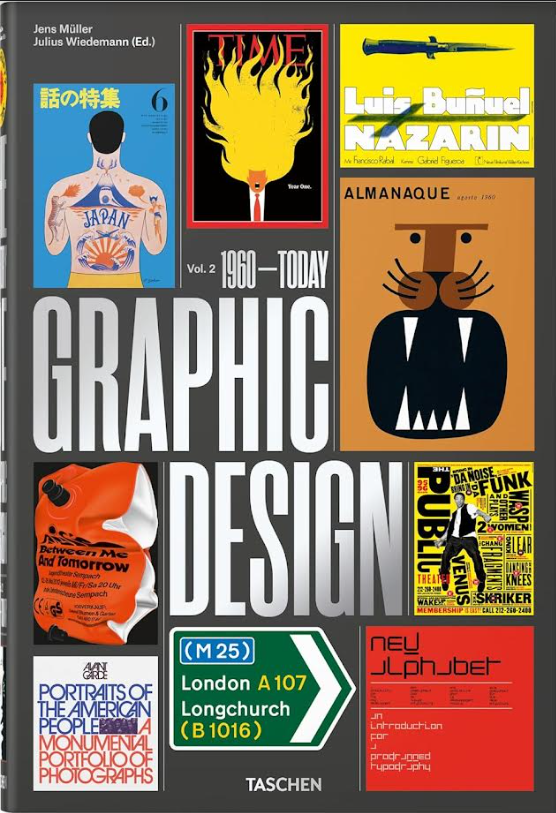
The History of Graphic Design 1960-Today by Jens Müller, Julius Wiedemann

The History of Graphic Design 1960-Today

Through the turbulent passage of time, graphic design with its vivid, neat synthesis of image and idea has distilled the spirit of each age. Surrounding us every minute of every day, from minimalist packaging to colorful adverts, smart environmental graphics to sleek interfaces: graphic design is as much about transmitting information as it is about reflecting society’s cultural aspirations and values.

This second volume rounds off our in-depth exploration of graphic design, spanning from the 1960s until today. About 3,500 seminal designs from across the globe guide us in this visual map through contemporary history, from the establishment of the International Style to the rise of the groundbreaking digital age. Around 80 key pieces go under the microscope in detailed analyses besides 118 biographies of the era’s most important designers, including Massimo Vignelli (New York subway wayfinding system), Otl Aicher (Lufthansa identity), Paula Scher (Citibank brand identity), Neville Brody (The Face magazine), Kashiwa Sato (Uniqlo brand identity), and Stefan Sagmeister (handwriting posters).

This collection of important graphic works represents a long-overdue reflection on the development of a creative field constantly changing and challenging itself. These key pieces act as coordinates through contemporary history, helping us trace the sheer influence of graphic design on our daily lives.

Find out more about The History of Graphic Design 1960-Today by Jens Müller, Julius Wiedemann →

The Benefits of Design Education: Unleashing Creativity and Innovation (Pt.2)

The Benefits of Design Education: Unleashing Creativity and Innovation (Pt.2)

Enhancing Creativity and Critical Thinking

Creativity lies at the heart of design education. It encourages students to think outside the box, explore new possibilities, and challenge conventional norms. By engaging in design projects, students learn to identify problems, analyse them from different perspectives, and generate innovative solutions. This process nurtures their creative thinking abilities and enables them to approach challenges with fresh insights.

Design education also cultivates critical thinking skills. With an A-level tutor, students learn to evaluate design choices, justify their decisions, and consider the implications of their work. They develop a keen eye for detail, honing their ability to spot potential issues and refine their designs accordingly. This critical mindset fosters a sense of quality and excellence, enabling designers to deliver impactful solutions.

Fostering Collaboration and Communication

In our fast-paced and interconnected world, the ability to collaborate and communicate effectively has become more crucial than ever before. And when it comes to design education, these skills take centre stage. Design students are taught the fundamental principles of their craft and encouraged to work in multidisciplinary teams, simulating real-world design scenarios. This collaborative approach not only enhances their learning experience but also prepares them for the dynamic nature of the design industry.

One of the key benefits of collaborative projects is the exposure they provide to diverse perspectives. By working with individuals from different backgrounds and areas of expertise, students gain a deeper understanding and appreciation for other viewpoints. This exposure broadens their horizons and encourages them to think beyond their perspectives, ultimately fostering creativity and innovation in their design process. It’s like brainstorming with people who bring unique ideas and insights.

However, collaboration is not just about working together; it’s also about effective communication. Design students quickly learn that expressing their design ideas clearly and articulately is essential. They must present their work to their peers and instructors, explaining their thought processes and the rationale behind their design choices. This communication aspect of design education is crucial because it helps students develop the necessary skills to convey their ideas and receive valuable feedback.

The iterative feedback process during collaborative projects is invaluable to design students. By receiving feedback from their peers and instructors, they gain fresh perspectives on their work, identify areas for improvement, and refine their designs accordingly. This feedback loop ensures that their final plans meet the needs and expectations of the intended audience. It also encourages them to think critically and analytically about their work, leading to constant growth and development as designers.

Practical communication skills are particularly vital in design professions. Designers often collaborate with clients, stakeholders, and colleagues throughout their careers. The ability to effectively communicate their design concepts, explain design choices, and understand the needs and expectations of different stakeholders is paramount. By honing their communication skills during their design education, students are better prepared to navigate these professional interactions confidently and clearly.

Empowering User-Centric Design

Design education places a strong emphasis on user-centricity. Students are taught to deeply understand the end-user’s needs, desires, and motivations. By conducting user research and usability testing, they gain insights into user behaviours and preferences, enabling them to create products and services that resonate with their target audience.

This user-centric approach leads to the development of products and experiences that are intuitive, delightful, and meaningful to users. It enhances user satisfaction, fosters brand loyalty, and drives business success. Design education equips students with the tools to bridge the gap between technology and human needs, resulting in solutions that truly make a difference in people’s lives.

Driving Innovation and Problem-Solving

Design education plays a crucial role in driving innovation across industries. Encouraging students to explore and experiment ignites their curiosity and helps them discover unique solutions to complex problems. Design thinking, a necessary methodology taught in design education, empowers students to approach challenges systematically and creatively.

Designers are trained to identify opportunities, redefine problems, and ideate potential solutions. They learn to prototype and iterate on their ideas, gathering feedback and continuously refining their designs. This iterative process encourages a culture of innovation, where failure is seen as a stepping stone to success.

Furthermore, design education equips students with the skills to tackle societal challenges. From sustainable design practices to addressing social issues, designers can create positive change. By embedding ethical considerations and sustainability principles into their work, designers contribute to a more equitable and sustainable future.

Written By Stuart Crawford