 Research Literacy: Why Creative Students Need to Learn How to Ask Better Questions (Pt.1) 8 September 2026 PART 1. From Inspiration to Inquiry Creative students are surrounded by references. A new brief can trigger an immediate search through images, articles, portfolios, trend reports and now generative AI. Within minutes, a student can assemble a moodboard, list competitors, produce a set of keywords and generate several plausible directions.… Read more →
 Futures Literacy: Why Creative Students Need to Learn How to Imagine Alternatives (Pt.2) 22 August 2026 PART 2. From Possibility to Responsibility Imagination Is Never Neutral Futures work can appear open and playful, but every imagined future is shaped by a point of view. Who is assumed to have access to technology? Whose labour remains invisible? Which bodies, languages, family structures and cultural practices are treated… Read more →
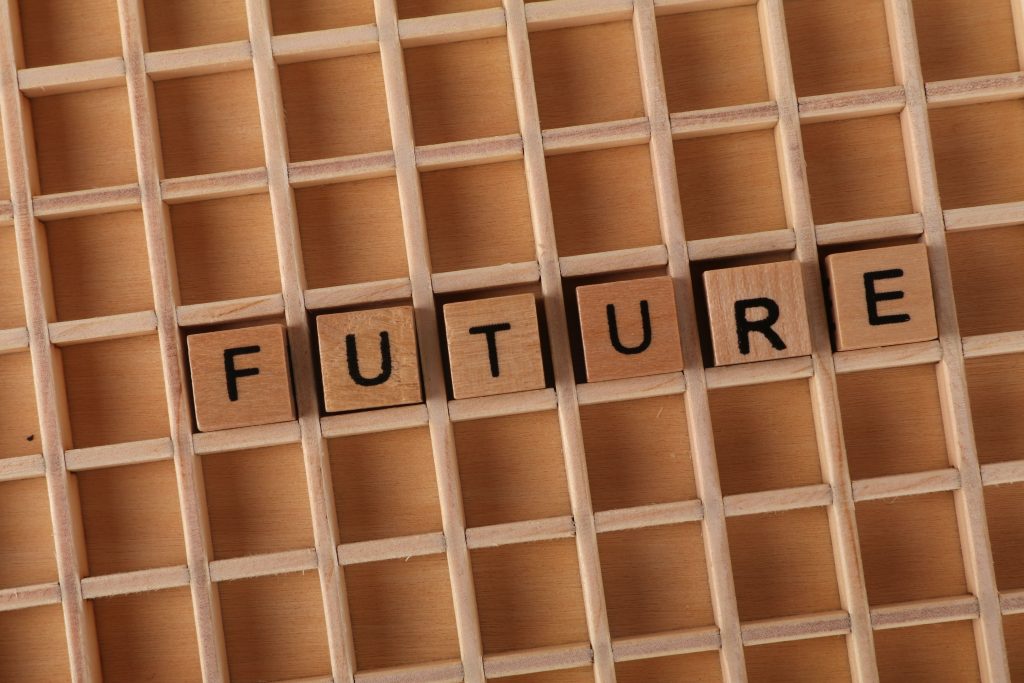 Futures Literacy: Why Creative Students Need to Learn How to Imagine Alternatives (Pt.1) 6 August 2026 PART 1. From Prediction to Possibility Design students are frequently asked to imagine the future. They develop concepts for future cities, future mobility, future materials, future learning and future ways of living. Yet many of these projects begin with an unexamined assumption: that the future is a destination waiting to… Read more →
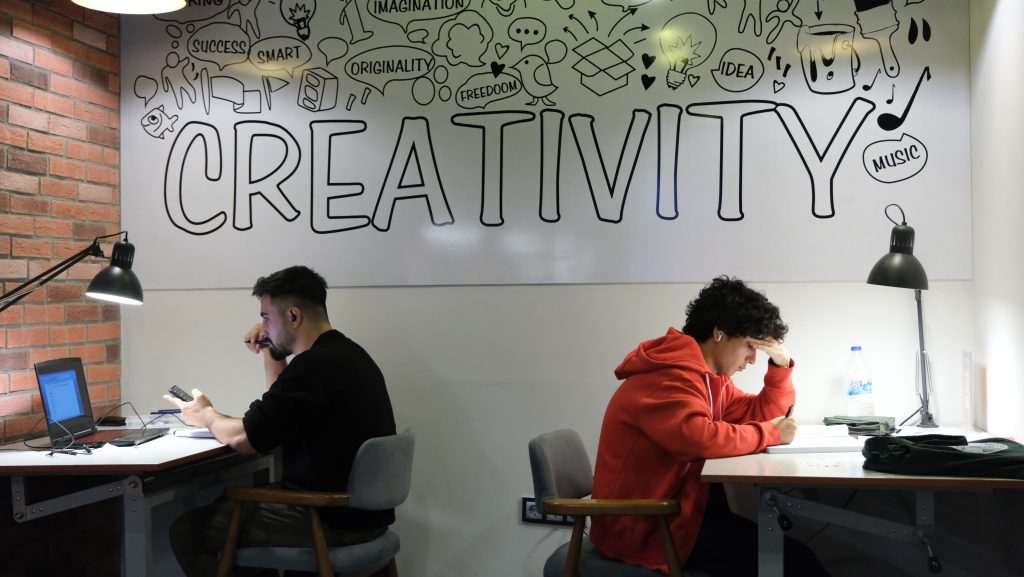 Impact Literacy: Why Creative Students Need to Learn How to Measure Change (Pt.2) 22 July 2026 PART 2. From Outcomes to Learning If impact literacy begins with evidence, it matures through learning. A responsible creative project does not only ask whether it succeeded. It asks what should be changed next time. This is especially important for students, because educational projects are often experiments. A prototype may… Read more →
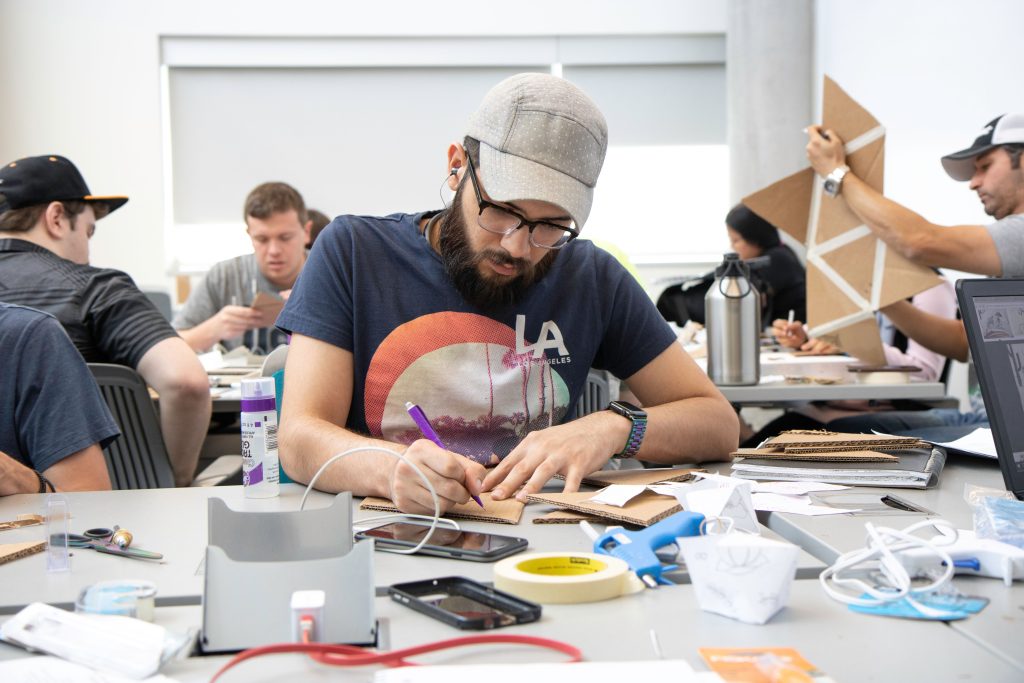 Impact Literacy: Why Creative Students Need to Learn How to Measure Change (Pt.1) 7 July 2026 PART 1. From Good Intentions to Evidence As more young creatives work with sustainability, inclusion, climate awareness, circular materials and community change, a new skill is becoming essential: the ability to understand, describe and measure impact. For designers, artists, architects and creative practitioners, impact does not mean reducing creativity to… Read more →
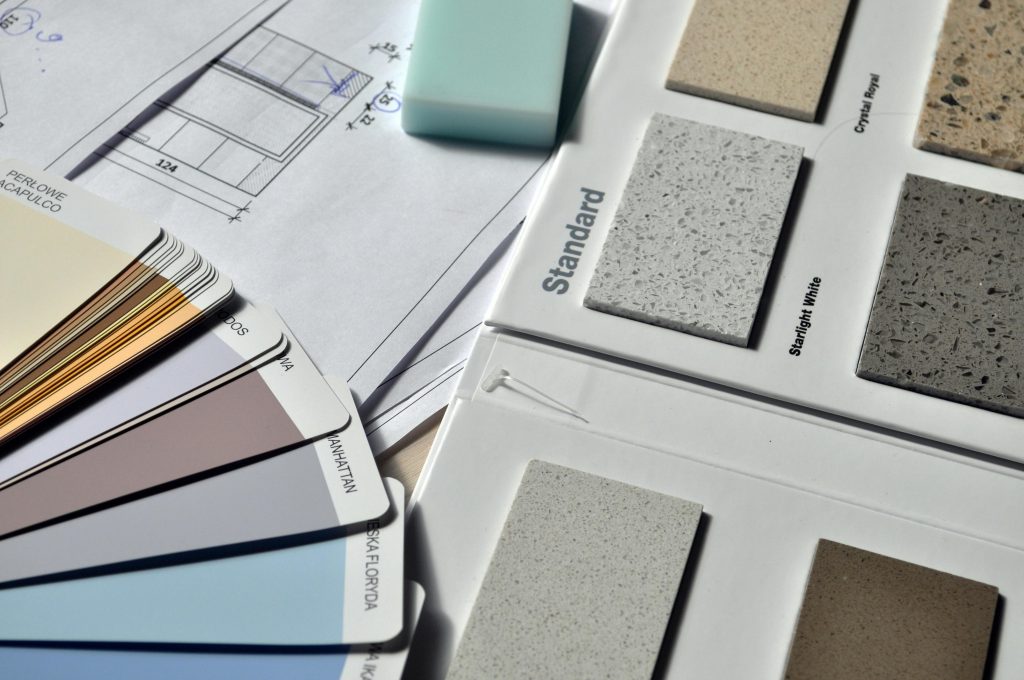 Material Intelligence: What Design Students Need to Learn About the Future of Materials (Pt.2) 23 June 2026 PART 2. From Material Literacy to Responsible Making Circularity Begins Before Waste Many conversations about sustainability begin at the end: recycling, disposal, waste management. But for designers, circularity begins much earlier. It begins before the object exists, when choices are still open. The Ellen MacArthur Foundation’s Circular Design Guide emphasises… Read more →
 Material Intelligence: What Design Students Need to Learn About the Future of Materials (Pt.1) 6 June 2026 PART 1. From Surface Choice to Material Literacy For a long time, materials in design education were often approached through appearance, function and technique. Students learned how paper folds, how wood joins, how textiles behave, how plastic can be moulded, how metal carries weight, or how digital renderings can imitate… Read more →
 The New Design Studio: Why Collaboration Will Matter More Than Individual Talent (Pt.2) 25 May 2026 PART 2. From Collaboration to Shared Responsibility Designing With, Not Only For One of the most important shifts in contemporary design is the movement from designing for people to designing with them. Designing for can be generous, but it can also become paternalistic. It assumes that designers can fully understand… Read more →
 The New Design Studio: Why Collaboration Will Matter More Than Individual Talent (Pt.1) 5 May 2026 PART 1. From Individual Talent to Collaborative Intelligence Design education has often celebrated individual vision: the student with a distinctive style, the strong personal portfolio, the final project that appears to carry a single creative signature. Individual talent still matters. Designers need imagination, craft, curiosity and confidence. But the conditions… Read more →
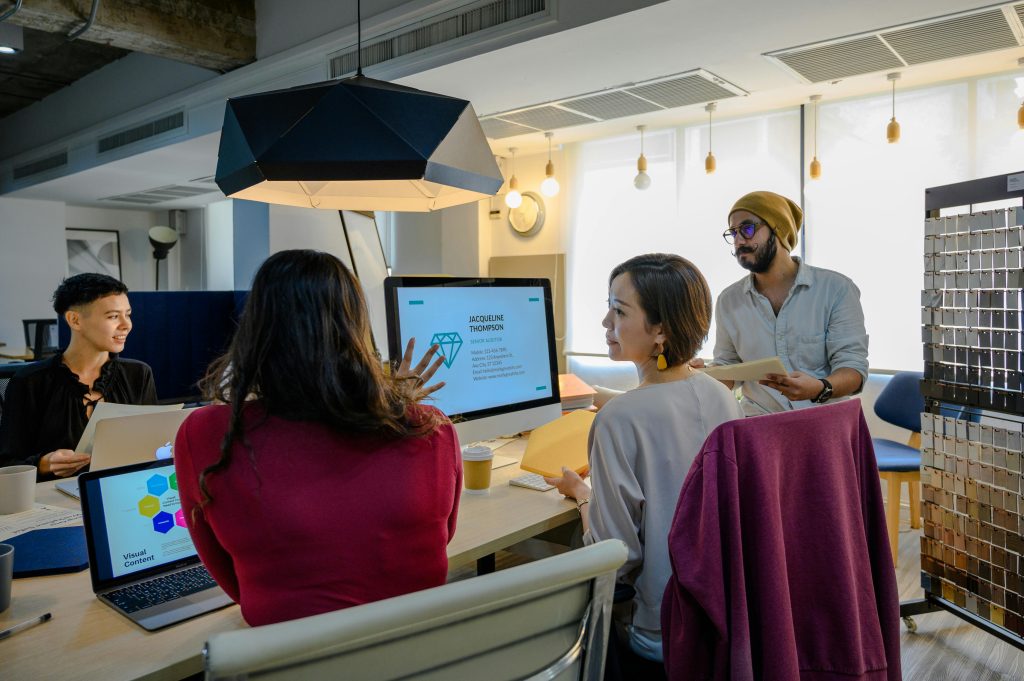 The New Design Portfolio: Why Process Will Matter More Than Final Output (Pt.2) 27 April 2026 PART 2. From Process to Trust The Rise of the AI-Use Log One practical change in future portfolios may be the introduction of an AI-use log: a short explanation of how AI was used in a project. For example: AI was used for early moodboard exploration; to test alternative compositions;… Read more →
 The New Design Portfolio: Why Process Will Matter More Than Final Output (Pt.1) 6 April 2026 PART 1. From Finished Work to Visible Thinking As generative AI makes polished images easier to produce, design students need to rethink how they present their work. The strongest portfolios of the future will not simply showcase beautiful outcomes. They will reveal how designers think, research, question, experiment, collaborate and… Read more →
 AI as a Creative Partner: What Design Students Need to Learn in the Age of Generative AI (Pt.2) 21 March 2026 PART 2. From Judgment to Responsibility Critical Thinking Becomes Essential As AI-generated content becomes more sophisticated, critical thinking becomes essential. AI can produce convincing solutions that appear innovative while containing hidden flaws, biases, inaccuracies or unintended consequences. Designers must learn to ask: Does this solve the real problem? Who benefits?… Read more →
 AI as a Creative Partner: What Design Students Need to Learn in the Age of Generative AI (Pt.1) 3 March 2026 PART 1. From Execution to AI Literacy As artificial intelligence becomes part of everyday creative practice, the most valuable skills for designers are changing. From critical thinking and systems design to ethics, AI literacy and human-centred innovation, the future belongs to those who can collaborate with AI rather than compete… Read more →
 How Sustainable Design Education is Shaping Tomorrow’s Professionals (Pt.2) 28 December 2025 Product Design and Systemic Operational Frameworks Industrial and product design programs are shifting their educational objectives away from the styling of superficial consumer casings toward the orchestration of complex product-service systems. Global design departments are widely deploying the Product-as-a-Service (PaaS) framework as a core design requirement. Within this model, students… Read more →
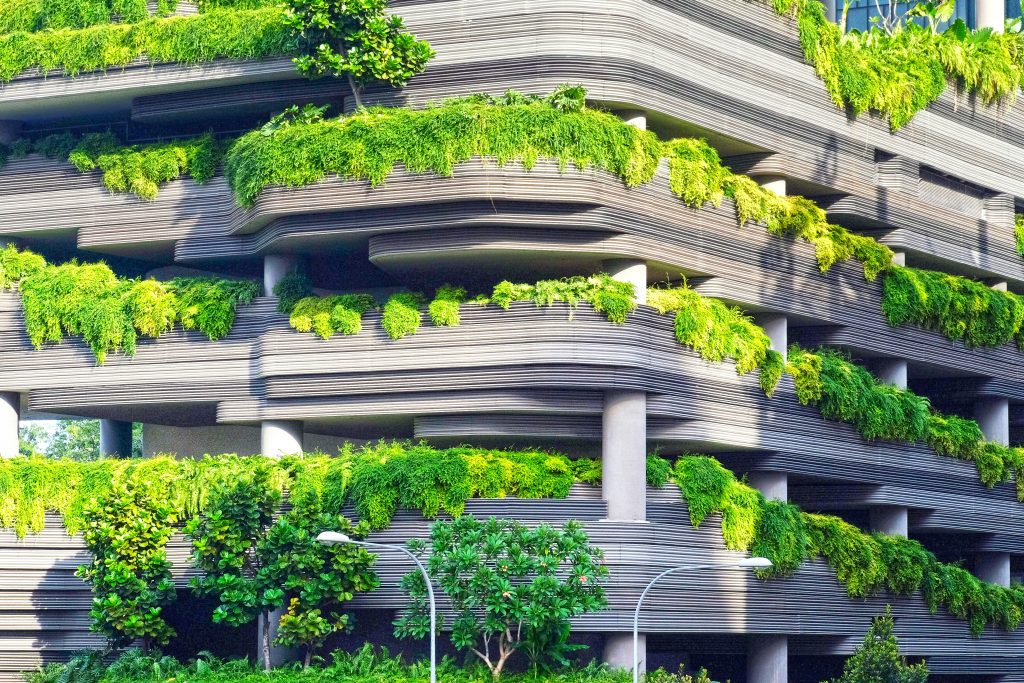 How Sustainable Design Education is Shaping Tomorrow’s Professionals (Pt.1) 5 December 2025 Introduction: Shifting from Pure Aesthetics to System Survival The modern world faces an unprecedented ecological crisis that requires a complete overhaul of how physical objects, built environments, and digital systems are manufactured. Historically, design execution was evaluated primarily through the narrow lenses of visual aesthetics, ergonomic comfort, and immediate commercial… Read more →
 Education Forecast 2030: The Fall of the Institutional Monopoly in Design Disciplines (Pt.2) 25 November 2025 The Evolution of the Fluid, Portfolio-First Hiring Playbook The collapse of the institutional monopoly is forcing a complete overhaul of corporate human resource practices across all design industries. The legacy practice of filtering resumes based on university prestige is an obsolete method that fails to measure actual problem-solving speed or… Read more →
 Education Forecast 2030: The Fall of the Institutional Monopoly in Design Disciplines (Pt.1) 7 November 2025 Introduction: The Impending Structural Collapse of Academic Prestige The institutional monopoly on creative validation is nearing its historic conclusion. For more than a century, traditional universities, elite art academies, and formal design institutions served as the absolute gatekeepers of professional credibility. Securing a corporate position within industrial design, architecture, or… Read more →
 The Global Digital Campus: Scaling Online Education in Design and Architecture (Pt.2) 27 October 2025 Distributed Studio Sprints and Global Micro-Internships The globalization of online design education enables the rise of highly distributed student syndicates that operate across traditional border constraints. In the traditional university model, international design exchanges were expensive privileges reserved for a small subset of wealthy students who could manage international travel… Read more →
 The Global Digital Campus: Scaling Online Education in Design and Architecture (Pt.1) 10 October 2025 Introduction: The Spatial Dematerialization of Design Studios The physical design studio, long considered the sacred heart of architectural and spatial education, is experiencing a profound digital dematerialization. For over a century, the training of architects, industrial designers, and urban planners was bound entirely to physical spaces characterized by sprawling drafting… Read more →
 The Renaissance of Expression: Mapping Modern Education Trends in Art Education (Pt.2) 26 September 2025 Distributed Studio Sprints and Global Cross-Cultural Collaboration The globalization of art education enables the rise of highly distributed student syndicates that operate completely outside traditional geographic and socioeconomic boundaries. In the legacy university model, cross-cultural artistic exchanges were expensive privileges reserved exclusively for a small subset of wealthy students who… Read more →